Following a Prime Minister Mark Carney’s recent trade mission to China, Canadians are now looking to the Asian powerhouse more than ever as a destination for Canada-produced agricultural commodities.
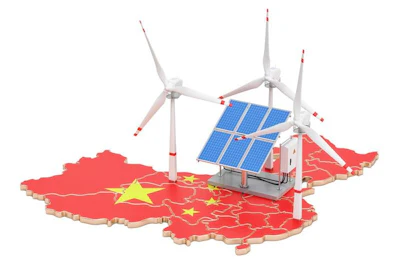
One area under consideration as China looks to make purchases is sustainable agricultural practices.
During a February 4 webinar, “Trade Under Pressure: China, CUSMA and Canada’s Global Position,” Christopher White, president and CEO of the Canadian Meat Advocacy Office & Canada Pork, said China’s sustainability expectations are complicated. White has an office in China.
“If you’re looking at it from the Chinese side … (sustainability is) important until it’s not,” White said. “And you don’t know when it’s not going to be right.”
White explained that there can be situations when the Chinese buyers will say they cannot work with the Canadians because they are not doing enough on the sustainability side.
But then there is a need for a certain need for a certain commodity or good, White said, and then they say, “It’s going to be great to see your commodity come into China.”
This sort of ambiguity and inconsistency, White said, transcends sustainability.
“There’s a very mercenary approach to how China does business, as I think we’ve all experienced it,” White said. “It’s relevant until it’s not, but you don’t get to decide when it’s not. You are always disadvantaged.”
White, however, said it is obvious that sustainability and protecting the environment is a high priority in China.
“I think certainly when you talk to Chinese officials, they’re doing a phenomenal amount of work with respect to environmental issues and environmental stewardship,” White said. “They recognize that they still have a long way to go, but they are investing a significant amount.”
As one example, White said in the 10 years that he has been splitting time between China and Canada, he has noticed a dramatic increase in the use of electric vehicles.
Know your target markets
White’s comments about sustainability demands from China were a response to an audience member’s question concerning how multiple markets prioritized sustainability initiatives from its trading partners, with the European Union (EU) being another market mentioned in the question.
Since White works directly with China and has limited dealings with the EU, his answer focused on China.
White used that as an example of how Canada needs to identify its markets and work harder to meet those specific needs because a one size fits all approach isn’t particularly effective.
“We need to understand what audience we need to tie into,” he said. “Sometimes a mistake that the Canadian industry makes, or the Canadian government makes is (thinks) if it works here, it will work in this market and this market.”
The webinar was hosted by the Canadian Agri-Food Policy Institute.