U.S. ethanol production and exports showed strong performance in the first five months of 2026, driven by robust international demand and favorable market conditions, according to a U.S. Department of Agriculture's Grain Transportation Report released this week.
From January through May, U.S. ethanol production rose 3% compared to the same period in 2025 and climbed 8% above the prior five-year average. Exports performed even better, jumping 12% from last year's period and surging 43% above the five-year average. Exports were 15% of total demand for U.S. ethanol through April, with the remainder going to domestic use.
The production gains reflected several favorable factors: record-high corn production, strong export demand, rising U.S. blending mandates, stable foreign blending mandates, and elevated renewable identification numbers prices. RIN compliance credits for biomass-based diesel and ethanol have doubled in value since early 2026.
Monthly export figures showed dramatic swings throughout the period. January started strong at 212.1 million gallons, fueled by purchases from Colombia, Canada, the United Kingdom and Brazil, which made its largest monthly purchase in six years. February dipped 1% as India reduced purchases. March rebounded 4% with surging Canadian demand and a six-year high in EU purchases. April dropped 21% when Brazil's harvest period began and India exited the market. May recovered with an 11% increase from renewed Canadian, EU and Colombian buying.
Canada dominated U.S. ethanol exports, accounting for 39% of total sales through May. The Netherlands followed at 20%, Brazil at 8%, Colombia at 6%, and South Korea at 6%. Together, these five buyers represented 78% of all U.S. ethanol exports.
Compared to the same 2025 period, Brazil's purchases skyrocketed 185%, Netherlands rose 54%, South Korea increased 22%, Canada grew 14%, and Colombia climbed 5%.
However, two major markets declined sharply. UK purchases fell 58% and India dropped 55% from last year. The UK's reduction stemmed from domestic ethanol plant closures that disrupted blending and supply chains, plus a policy shift toward sustainable aviation fuel. India's decline reflected its domestic production expansion, which helped the country reach its E20 blending target in 2025, five years ahead of schedule.
Higher blending mandates in Canada, the EU and Colombia boosted U.S. ethanol demand. Canada's federal mandate requires at least 5% ethanol in gasoline, while Ontario adopted E11 and Quebec uses E12. The Netherlands requires E10 nationwide and aims for 28% renewable energy in transport by 2030. Colombia mandates E10.
The Port of Houston remained the top exit point for U.S. ethanol, handling 54% of export volume through May, down one percentage point from 2025. Detroit's share rose on strong Canadian purchases, while New Orleans fell to fourth place as UK exports declined.
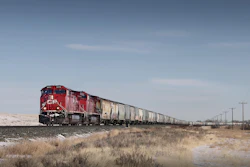
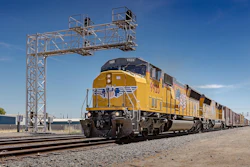
Rail transportation showed mixed results. Total Class I ethanol rail movements dropped 3% from last year but exceeded the five-year average by 5%. Of Midwest-originated rail shipments, 42% went to the East Coast, 29% to the Gulf Coast, 15% to the West Coast, 5% to Canada, and smaller amounts elsewhere.
Looking ahead, the Energy Information Administration projects ethanol production will average 1.09 million barrels per day in 2026 and 1.11 million barrels daily in 2027. U.S. ethanol exports are expected to reach a record $5.1 billion in fiscal year 2026, with daily exports averaging 150,000 barrels, up from 140,000 in 2025.