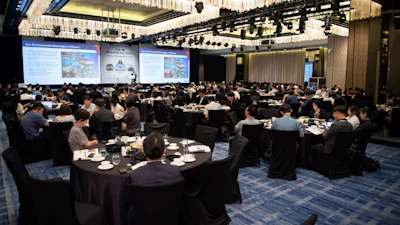
The U.S. Grains & BioProducts Council, working with the U.S. Department of Agriculture’s Foreign Agricultural Service and the Korea Biofuels Forum, hosted the 2026 Seoul Biofuels & Sustainable Aviation Fuel Conference in Seoul, South Korea this week.
The conference brought together Korean policymakers, refiners, airlines, researchers, fuel suppliers and energy stakeholders to discuss ethanol and other biofuels in advancing energy security, transportation decarbonization and sustainable fuel development.
“The Council and its partners in South Korea have long strived to be a supportive resource for the Korean government as it moves toward greater ethanol implementation, including SAF blending mandates that come into effect in 2030,” said Haksoo Kim, USGBC director in South Korea.
Kim said the council aims to help industry players and policymakers streamline adoption by demonstrating ethanol’s carbon-reduction benefits, economic viability and efficiency.
The USGBC delegation included Kim, Vice President Cary Sifferath, Senior Manager of Global Ethanol Export Development Ankit Chandra and Program and Administrative Manager Michiyo Hoshizawa. The event drew significant media interest.
Morning sessions covered global ethanol policies, market opportunities for alcohol-to-jet technology and airline industry strategies for SAF procurement. The afternoon session examined sustainable marine fuel’s potential to reduce carbon emissions and included an extended Q&A where stakeholders and media members discussed specific areas of interest.
Presentations on biofuel policies and implementation updates in Japan and South Korea helped attendees understand domestic and regional market dynamics.
“Geopolitical developments have emphasized the importance of ethanol in the transportation sector, and the interest and participation of attendees and domestic media showed the country’s appetite for biofuel use,” Sifferath said.
South Korea represents a significant export market for the U.S. agricultural industry, and expanding U.S. ethanol’s position there continues the trade relationship between the two countries.