U.S. grain exports displayed a mixed performance during the week ending April 16, 2026, with corn leading gains while wheat and rice struggled to maintain momentum in international markets acorrding to the latest USDA Foreign Agricultural Service' weekly export sales report.
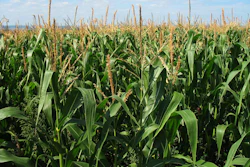
Corn exports surged 25 percent from the previous week to reach 1.95 million metric tons, marking an 11 percent increase from the prior four-week average. Mexico dominated purchases with 595,500 metric tons, followed by strong demand from Japan at 424,800 metric tons and South Korea at 409,700 metric tons. The robust performance reflects continued appetite from key trading partners despite global economic uncertainties.
Net corn sales for the 2025/2026 marketing year totaled 1.32 million metric tons, though this represented a 6 percent decline from the previous week. South Korea emerged as the largest buyer with 345,700 metric tons, including significant switches from unknown destinations and Taiwan. Japan followed with 324,200 metric tons in new commitments.
Wheat exports painted a different picture, with net sales dropping to 129,000 metric tons for 2025/2026, down 25 percent from the four-week average despite a 29 percent weekly increase. Japan led purchases at 59,400 metric tons, while Nigeria secured 47,400 metric tons, including substantial volumes switched from unknown destinations. Export shipments reached 524,100 metric tons, up 68 percent from the previous week, with the Philippines receiving the largest share at 96,000 metric tons.
Sorghum demonstrated remarkable strength with net sales jumping to 192,600 metric tons, up noticeably from both the previous week and four-week average. China dominated purchases with 192,800 metric tons, while exports climbed 3 percent to 210,400 metric tons, with China again leading at 186,500 metric tons.
Rice sales faced significant headwinds, dropping 78 percent from the previous week to just 22,500 metric tons for 2025/2026. Japan remained the primary buyer at 18,200 metric tons, followed by Mexico at 12,100 metric tons. Export volumes fell 60 percent to 49,900 metric tons, with Senegal receiving the largest shipment at 35,100 metric tons.
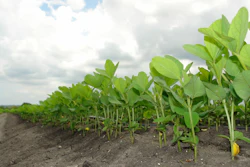
Soybean performance showed resilience with net sales rising 47 percent from the previous week to 364,600 metric tons, though remaining 7 percent below the four-week average. Egypt led purchases at 93,600 metric tons, while Japan secured 78,700 metric tons. Export shipments totaled 768,100 metric tons, with China maintaining its position as the dominant buyer at 446,200 metric tons.
The weekly data reflects ongoing shifts in global grain trade patterns, with Asian markets continuing to drive demand for U.S. corn and soybeans while traditional wheat buyers show more cautious purchasing behavior. These trends will likely influence pricing and planting decisions as the 2026 growing season progresses.