Continental Refining is keeping its Kentucky soybean processing plant idle following a July fire while simultaneously expanding its biodiesel operations, signaling the company's commitment to downstream renewable fuels despite the upstream disruption.
- Continental Refining's soybean processing plant in Somerset, Kentucky will remain idle for the season while the company evaluates repair and restart options after a July fire.
- The company announced plans to expand its biodiesel business, demonstrating continued investment in renewable fuels despite the crush plant being offline.
- The soybean plant idling has no announced restart timeline, leaving customers and suppliers planning around an open-ended pause.
- By expanding biodiesel capacity while the crush plant sits idle, CRC is positioning itself for continued demand in the biofuels market and potentially reshaping how it sources feedstock.
Idle one plant, expand another. That's the balancing act Continental Refining Company laid out this week.
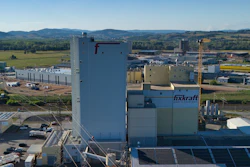
CRC said its soybean processing plant will remain idled for the season while it weighs options to repair and restart operations after a fire in July. In the same update, the company announced plans to expand its biodiesel business, a move that points to continued investment in renewable fuels even as its soy crush capacity sits offline. For a facility rooted in Somerset, Kentucky, the two announcements pull in opposite directions on the surface, but they share a common thread: CRC is moving ahead with its downstream fuels strategy while it sorts out the upstream constraint.
The soybean processing plant won't run this season. CRC framed the idling as a pause while it evaluates the path to repair and restart, rather than a permanent exit from crush operations. A crush plant doesn't just make oil and meal. It anchors a local basis market, provides a delivery point for area farmers and feeds a steady stream of co-products into livestock rations.
The idling does not come with a restart timeline, at least not yet. CRC has signaled it is still working through its repair and restart options, which leaves customers and suppliers planning around an open-ended pause.
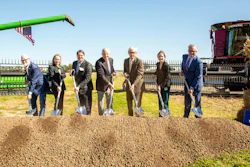
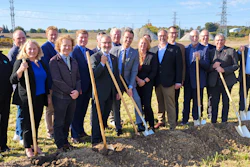
Against that backdrop, the biodiesel expansion reads as a statement of intent. Rather than retrenching across the board, CRC is choosing to grow its renewable fuels footprint, positioning itself for continued demand in the biodiesel and broader biofuels market. The decision to push forward on expansion while the crush plant sits idle suggests the company sees growth opportunity in finished renewable fuel alongside any future crush operations.
Biodiesel sits downstream of the feedstock supply chain, and a producer expanding capacity is making a call on where fuel demand is heading. CRC is advancing that expansion at the same moment it's reassessing the plant that would, in a fully integrated model, help supply it, a sequencing that could shape how the company sources feedstock for the larger biodiesel operation.
For the Somerset operation and the surrounding agricultural economy, the near-term picture is a crush plant on the sidelines and a fuels business moving ahead. CRC's announced near-term commitment is on the biodiesel side, while the soy plant's restart remains unresolved.