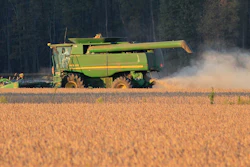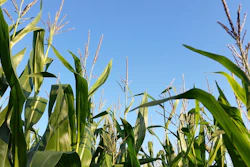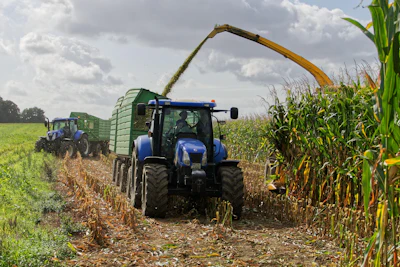
As of November 1, U.S. corn harvest reached 74% completion, up 14 percentage points from the previous week but trailing the five-year average of 77%, with the widest gaps occurring in Iowa, Nebraska, and South Dakota.
- Corn harvest at 74% complete nationally, behind the five-year average of 77%
- Western Corn Belt experiencing largest delays: Iowa 66%, Nebraska 66%, South Dakota 63%
- Soybean harvest moving faster at 88% complete, ahead of the 84% average
- Winter wheat planting at 83% with 65% emerged; dry soil remains a concern with 38% of topsoil short to very short of moisture
- Slower corn pace means extended harvest into November for elevators and processors in major producing states
U.S. farmers had harvested 74% of the corn crop by Nov. 1, up 14 percentage points in a week but still behind the five-year average of 77%, according to the National Agricultural Statistics Service (NASS).
The weekly Crop Progress report, covers 18 states that harvested 93% of the 2025 corn acreage. NASS said last year's numbers for comparisons are not available because Crop Progress reports for Oct. 5 through Nov. 9, 2025, were canceled during the lapse in federal funding. The five-year average uses imputed estimates for 2025.
Corn harvest gaps were widest in the western Corn Belt. Iowa was 66% harvested against a 79% average, Nebraska was 66% against 75%, and South Dakota was 63% against 75%. Ohio and Michigan also trailed. Illinois, at 86%, and Indiana, at 75%, were ahead of their averages, as was North Dakota at 76%.
Soybeans moved faster. Harvest reached 88% nationally, up from 79% a week earlier and ahead of the 84% average. Illinois was 91% done against an 85% average, and Iowa matched its 90% average. Nebraska, at 84%, and Kansas, at 72%, trailed their averages.
Sorghum harvest lagged in the two main Plains states. Nationally, 64% of the crop was harvested, compared with a 78% average. Kansas was 49% harvested against a 70% average, and Nebraska was 42% against 71%. Texas was 97% done.
Winter wheat planting reached 83%, one point behind the average, and 65% of the crop had emerged, matching the average. Oklahoma remained furthest behind at 62% planted against a 79% average.
NASS issued its first condition ratings for the 2027 winter wheat crop. Across 18 states, 44% of the crop was rated good to excellent, 38% fair and 18% poor to very poor. In Kansas, 47% rated good to excellent and 20% poor to very poor. Oklahoma and Texas had the weakest ratings, with 25% and 34% of their crops rated poor to very poor.
Dry soil remains a factor heading into winter. Across 48 states, 38% of topsoil was rated short to very short of moisture, with 56% adequate and 6% surplus. In Illinois, 49% of topsoil was rated short to very short.
For elevators and processors, the slower corn pace in Iowa, Nebraska and South Dakota means a larger share of those states' bushels is still coming in during November. NASS will update corn, soybean and sorghum harvest progress and winter wheat condition in next week's report.