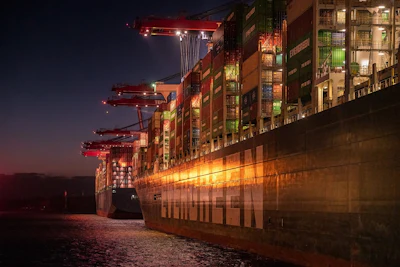
Ocean freight rates for shipping bulk commodities, including grain, defied typical seasonal patterns during first quarter 2026, with rates exceeding year-ago levels despite falling short of the prior four-year average, according to the Agricultural Marketing Service’s Grain Transportation Report released April 23.
From the U.S. Gulf to Japan, rates averaged $54.93 per metric ton during the quarter, representing a 19 percent increase from first quarter 2025 but a 3 percent decline from fourth quarter 2025. The Pacific Northwest to Japan route showed stronger performance, with rates averaging $30.68 per metric ton—up 14 percent year-over-year and 5 percent quarter-over-quarter.
The rate increases came despite ample vessel capacity, with the global dry bulk fleet’s operating capacity reaching 1,072.8 million deadweight tons in March, up 14 percent from December 2021 levels.
March proved pivotal for rate acceleration, driven by reviving demand after Chinese New Year holidays and steady cargo flows from Indonesia and Australia. Rising bunker fuel prices amid Middle East conflict added significant upward pressure, with very low sulfur fuel oil reaching $1,053 per metric ton on March 20—the highest level since July 2022 and a 92 percent increase from a year earlier.
China’s iron ore imports played a crucial role in supporting rates, with the country importing 210 million metric tons in January and February combined, 10 percent more than the same 2025 period. Strong domestic demand for restocking, primarily fed by Australian imports, drove the increase.
By mid-April, rates had climbed further, with Gulf-to-Japan shipments reaching $67.00 per metric ton—48 percent higher than the same week in 2025. Pacific Northwest-to-Japan rates hit $35.50 per metric ton, up 33 percent year-over-year.
However, market analysts noted potential headwinds. China’s recent surge in iron ore imports was driven partly by government export quotas for steel products, with steelmakers ramping up output ahead of restrictions. This surge may not be sustainable given weakness in China’s domestic steel market, driven by the ongoing property sector downturn.
The transition from liquefied natural gas to other fuels, particularly coal, across multiple countries including the European Union, Japan and South Korea, could provide future support for dry bulk demand and rates.