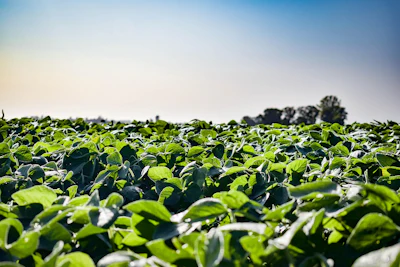
The European Commission adopted a Livestock Strategy and Protein Action Plan to increase domestic protein crop production from 25% to 35% by 2035, reducing Europe's reliance on imported feed and supporting the €400 billion livestock sector through infrastructure investments, value chain development, and new market opportunities for farmers.
- Only 25% of protein crops used in the EU currently come from European sources, with the commission targeting 35% by 2035
- The livestock sector accounts for 40% of EU agricultural added value, generating €400 billion annually and employing 7 million people
- Protein crops like legumes improve soil health, reduce synthetic fertilizer needs, and strengthen farming resilience when integrated into crop rotations
- The EU will support investment in processing, storage, and innovation to make domestically-produced proteins more competitive and accessible
- Dedicated Protein Dialogues with member states will facilitate knowledge sharing and track progress toward production targets
The European Commission adopted a Livestock Strategy and Protein Action Plan on that will try to reduce Europe’s reliance on imported protein crops for animal feed.
Currently, only 25% of protein from oilseeds and protein crops used in the EU come from European sources. The commission aims to increase that share to 35% by 2035.
The plan addresses a significant supply chain issue for European agriculture. About 64% of cereals consumed in the EU feed livestock, and the sector accounts for roughly 40% of EU agricultural added value, generating €400 billion in annual turnover.
The commission will support European protein crop production through Common Agricultural Policy tools and by developing resilient value chains supported by processing infrastructure and targeted investments. The commission proposed enabling a distinct protein crop sector under the CAP post-2027, which would facilitate the creation of producers’ organizations.
The strategy also supports more efficient and locally based livestock systems, including extensification based on grassland and optimized feeding strategies relying on EU-sourced feed supported by infrastructure and market incentives.
Protein crops, including legumes, soya and fodder legumes, provide benefits beyond nutrition. When integrated into crop rotations, they can reduce the need for synthetic fertilizers, improve soil health and strengthen the resilience of farming systems while contributing to climate change mitigation.
The commission will also allow marketing standards for protein crops to better inform consumers about the origin of protein crops in products they purchase.
The plan aims to create new opportunities for farmers and rural communities by strengthening the production, demand and value of EU-grown protein sources. Growing demand for plant-based protein products, together with more efficient livestock systems that make greater use of locally and regionally produced feed, can open new market opportunities.
The commission will support investment in processing, storage and innovation to make proteins produced in Europe more accessible and competitive for consumers.
The Livestock Strategy is the first of its kind and sets out actions to help livestock farmers address economic, environmental and market challenges. The sector employs around 7 million people on 4 million farms spread across Europe.
Implementation will require coordinated action from the commission, member states and stakeholders. Dedicated Protein Dialogues with member states will provide a platform to exchange best practices and track progress.