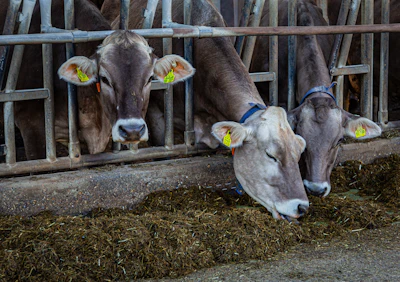
U.S. feedlots placed 1.78 million head of cattle in September, 12% fewer than a year earlier and the lowest September total since the series began in 1996, according to the USDA Cattle on Feed report.
The National Agricultural Statistics Service released the October Cattle on Feed report. It covers feedlots with capacity of 1,000 or more head. Placements fell by about 244,000 head from September 2025. Net placements were 1.73 million head. Marketings of fed cattle totaled 1.52 million head, down 7% and also the lowest for September since 1996.
Feedlot inventory held nearly steady despite the slower pace. Cattle and calves on feed totaled 11.4 million head on Oct. 1, slightly below a year earlier and up about 204,000 head from Sept. 1. Placements still ran 10% above August's 1.62 million head, while marketings matched August's pace.
The mechanics are simple. Feedlots took in fewer cattle, but they also shipped fewer finished animals to packers, so the number of animals on feed barely moved. That keeps near-term feed demand from feedlots close to last year's level even as the flow of new cattle slows.
The decline in placements was broad across the major cattle-feeding states. Nebraska placed 490,000 head, down 16% from a year earlier. Colorado was also down 16% at 130,000 head, Texas fell 15% to 330,000 head and Kansas dropped 10% to 420,000 head. Oklahoma and Arizona were among the few states to place more cattle than a year earlier.
Nebraska held the largest inventory on Oct. 1 at 2.55 million head, even with a year earlier. Texas had 2.52 million head, down 2%, and Kansas had 2.38 million, down 1%. Oklahoma's inventory rose 11% to 355,000 head.
Steers and steer calves totaled 7.07 million head, up slightly from 2025 and 62% of the inventory. Heifers and heifer calves totaled 4.30 million head, down 1%. Heifer numbers are watched closely because heifers kept out of feedlots can be held back for breeding.
Lighter cattle made up a smaller share of placements. Cattle weighing less than 600 pounds totaled 360,000 head, down from 405,000 head a year earlier. Placements of 800- to 899-pound cattle fell to 422,000 head from 486,000.
For grain merchandisers and feed suppliers, the question is how long fewer cattle can keep coming into feedlots before the number of animals on feed starts to shrink. NASS will release its next monthly Cattle on Feed report in November, and each month's estimates remain subject to revision.