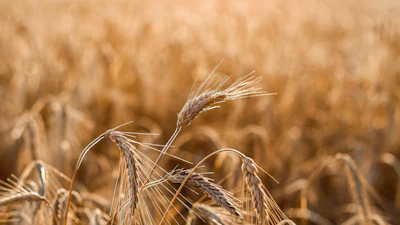
The University of Melbourne has applied to Australia's Office of the Gene Technology Regulator for a license to grow a genetically modified wheat commercially across the country, with animal feed as its primary intended use.
The wheat carries the OsNAS2 gene from rice, which increases production of nicotianamine, a metal-binding compound naturally present in all crop plants that helps them absorb and move iron and zinc. The grain is intended to contain higher levels of bioavailable iron and zinc, according to the regulator's notice. The application, numbered DIR 227, covers wheat event UM-12115T-1.
The regulator said the wheat may also enter human food. Food Standards Australia New Zealand is separately assessing it for food use under application A1356. The wheat has already been grown in Australian field trials under an earlier license, DIR 165.
The modification was made in the Australian wheat variety Gladius, and the university plans to move the trait into elite varieties through conventional breeding, according to its food application.
The university is seeking approval to grow the wheat Australia-wide, subject to restrictions some states and territories impose for marketing reasons. The wheat also contains two marker genes conferring resistance to the antibiotics hygromycin B and kanamycin, used during development.
In its food application, the university said the grain was compositionally equivalent to conventional wheat in protein, fiber, amino acids, fatty acids and estimated metabolizable energy, the key measures for feed formulation. It said dietary exposure to the introduced protein would be low for both people and livestock. The university also reported that the introduced protein broke down completely within 30 seconds in simulated gastric fluid. Regulators have not yet ruled on those claims.
The regulator's staff are preparing a risk assessment and risk management plan. Public comment on the plan is expected to open in early December, with about two months for written submissions, according to an Aug. 11 notice signed by Gene Technology Regulator Raj Bhula. Comments will be taken from the public as well as experts, agencies, authorities and relevant local councils.