Drought spread and intensified from the southern Mississippi Valley into the southern Midwest during the week ended Oct. 27, while heavy rain brought further improvement across the High Plains and the West, according to the latest U.S. Drought Monitor. The U.S. Drought Monitor is produced by the National Drought Mitigation Center at the University of Nebraska-Lincoln, the U.S. Department of Agriculture, the National Oceanic and Atmospheric Administration and NASA.
The map, released Thursday, showed most of the eastern half of the country received little or no rain. Extreme to exceptional drought, the two most severe categories, now covers much of central and western Tennessee, Arkansas, Louisiana and parts of northern and west-central Mississippi. Most of Arkansas, Louisiana, Mississippi and southwestern Tennessee have received 8 to 16 inches less rain than normal over the past four months, or generally less than half of normal.
The Midwest picture is uneven. Dryness and drought intensified from southern and eastern Missouri through parts of east-central Illinois and central Indiana, and extreme to exceptional drought now covers a large swath of central and southern Missouri. A band from Iowa and northern Missouri through the northern Ohio Valley remained mostly free of impactful dryness after several months of normal or above-normal rainfall.
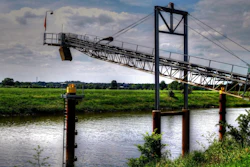
That split matters for grain movement. The driest areas sit along the lower Mississippi River system, where low water has already raised barge costs and pressured Southern grain basis this fall.
Farther west, conditions improved. Central and southern Colorado saw excessive rain and flooding, with 4 to 8 inches near the New Mexico border, leading to two-category improvements in parts of the state. One-category improvements were widespread in Colorado, central and northeastern Nebraska and southeastern South Dakota. Central and western Texas and Oklahoma also improved, while drought worsened along the eastern edges of both states.
The West continued to benefit from a wet pattern, with the broadest improvement in New Mexico, central and northern Arizona and much of Nevada. Long-term moisture deficits limited full drought removal, the report said.
The Southeast and Northeast saw pockets of deterioration in Georgia, the Carolinas, southern Virginia and Maine, though heavy rain earlier in the month limited the damage.
The outlook offers limited relief for the hardest-hit areas. Through Nov. 2, the heaviest rain, 1.5 to nearly 4 inches, is forecast for central Arizona, the central Rockies, the Texas High Plains and part of the central Gulf Coast, with moderate amounts across much of the central and eastern Gulf Coast states. The Mid-Atlantic and Northeast are expected to stay mostly dry.