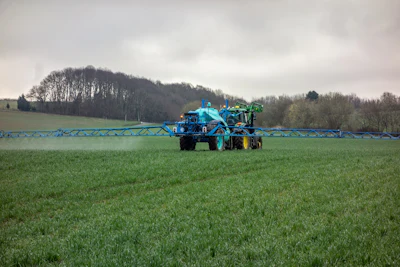
Efficient fertilizer transportation remains critical for U.S. grain production, but recent geopolitical tensions and supply disruptions in the Middle East are tightening nitrogen fertilizer supplies and driving prices higher ahead of the spring planting season, according to the latest Grain Transportation Report from the USDA's Agricultural Marketing Service.
Domestic fertilizer production remained stable in the second half of 2025, with nitrogen production slightly below the five-year average and phosphorus and potassium production near or above average. Imports, however, declined by 7 percent during this period, particularly for phosphate fertilizers. The United States imported 17.1 million short tons of fertilizer commodities from July to December 2025, with notable decreases from key suppliers such as Saudi Arabia.
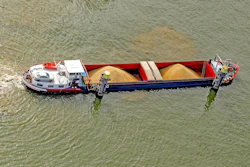
Rail transportation of fertilizer remained near average in late 2025, with U.S. Class I railroads originating 118,538 fertilizer carloads, unchanged from the five-year average. Early 2026 data shows a 9 percent increase in fertilizer carloads, driven largely by BNSF Railway’s new equipment reservation system. Meanwhile, barge volumes fell 14 percent below average, reflecting lower fertilizer imports into the New Orleans customs district.
The conflict in the Middle East, which began in late February 2026, has disrupted oil, gas, and fertilizer production, and significantly affected maritime traffic through the Strait of Hormuz, a key shipping route for energy and fertilizer shipments. Nitrogen fertilizers, especially urea, are most impacted, with over 40 percent of U.S. urea imports coming from Persian Gulf nations.
Prices for urea in New Orleans surged 37 percent from February to March, reaching the highest levels since September 2022. In response, the U.S. government has taken steps to ease supply constraints, including lifting sanctions on fertilizer imports from Venezuela and Belarus and temporarily suspending the Jones Act to allow foreign vessels to transport domestic fertilizer cargoes.
Despite rising fertilizer costs, U.S. farmers plan to plant 95.3 million acres of corn in 2026, slightly below last year but above the five-year average. Corn’s high nitrogen fertilizer needs make efficient transportation and supply especially important this planting season.