The global insect feed market is projected to grow from $3.1 billion in 2026 to $8.4 billion by 2033, driven by regulatory approvals and increasing demand for sustainable protein alternatives in aquaculture and livestock feed. Black soldier fly larvae have become the preferred commercial species due to their ability to convert organic waste into high-quality protein while requiring fewer resources than conventional protein sources.
- The insect feed market is expected to reach $8.4 billion by 2033, growing at a 15.4% compound annual growth rate from $3.1 billion in 2026
- Black soldier fly larvae account for approximately 46% of market share and are preferred for their efficiency in converting organic waste to protein
- Europe leads regulatory adoption, with the EU permitting approved insect species in aquafeed and livestock feed, expected to capture 31% of market share
- Aquaculture is the largest application sector, with fish producers seeking sustainable replacements for fishmeal as environmental concerns intensify
- Asia Pacific shows fastest growth potential, driven by expanding aquaculture production, China's massive industry, and abundant agricultural by-products for insect protein production
The global insect feed market is expected to grow from $3.1 billion in 2026 to $8.4 billion by 2033, according to a report released by Persistence Market Research. The 15.4% compound annual growth rate reflects increasing regulatory approvals for insect protein in animal feed and rising pressure to reduce dependence on fishmeal and soybean meal.
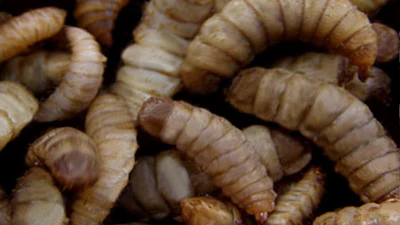
Black soldier fly larvae have become the industry’s preferred commercial species due to their ability to convert organic waste into high-quality protein while requiring less land, water and greenhouse gas emissions than conventional protein production.
Regulatory changes drive adoption
Government approvals across Europe and other major agricultural economies have accelerated market expansion. The European Union has permitted approved insect species in aquafeed and livestock feed, creating one of the world’s most advanced regulatory environments for insect protein commercialization.
These approvals have encouraged investment in industrial-scale production facilities across France, the Netherlands, Belgium and Germany. Europe is expected to account for about 31% of the market share.
Countries including Canada, the United States, Japan and several Southeast Asian nations are gradually expanding regulatory acceptance of insect-based feed ingredients.
Aquaculture sector leads demand
The rapid expansion of global aquaculture continues to generate strong demand for alternative protein ingredients, making the sector the largest application for insect feed. Fish producers are seeking sustainable replacements for fishmeal as production volumes increase and environmental concerns intensify.
Black soldier fly larvae meal offers protein and lipid profiles that closely resemble conventional fishmeal, enabling feed manufacturers to maintain fish growth performance while reducing dependence on marine resources.
Regional growth patterns
Asia Pacific is anticipated to witness the fastest growth, driven by expanding aquaculture production, rising livestock feed demand and increasing investments in sustainable agriculture. China’s massive aquaculture industry and abundant agricultural by-products create opportunities for insect protein manufacturers.
Black soldier fly larvae account for about 46% of market share, while silkworm pupae meal is projected to be the fastest-growing product segment through 2033, supported by abundant silk industry by-products in Asia.
In June 2026, Innovafeed raised $59 million to support commercial deployment and strengthen production capabilities at its facility in Nesle, France. The company reported it has increased production volumes tenfold since 2022.