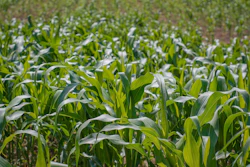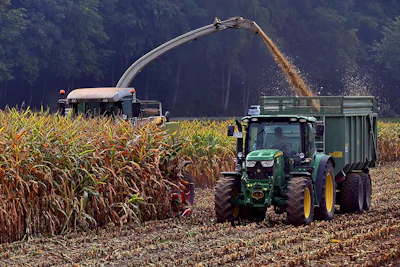
A record U.S. grain harvest of 21.5 billion bushels is creating extraordinary storage challenges this fall, compounded by trade tensions with China and depressed crop prices, according to a new report from CoBank's Knowledge Exchange.
The top 12 corn-producing states face a 1.4-billion-bushel shortage of upright grain storage, forcing elevators to rely more heavily on bunkers and emergency ground piles. This shortage contrasts sharply with last year when these states had 361 million bushels of excess storage.
"The challenge for elevators will be prioritizing scarce grain storage," said Tanner Ehmke, grains and oilseeds economist with CoBank.
The report indicates grain merchandisers are charging higher storage fees due to limited capacity and strained infrastructure. While elevators stand to benefit from buying cheaper basis and capturing wider carries in the futures markets, these profit opportunities come with significant risks.
Export patterns are creating additional complications for storage decisions. Corn and wheat export volumes have been exceptionally strong, with outstanding corn sales up 94% year-over-year and unshipped all-wheat sales up 41%. Low prices, a weakening dollar and favorable transportation costs have bolstered these exports.
Meanwhile, soybean and grain sorghum exports are significantly lagging, with soybean sales down 51% year-over-year and grain sorghum sales starting the season down 58%. Neither corn nor wheat has been affected by the ongoing trade dispute between the U.S. and China.
"The slow pace of soybean and grain sorghum exports may benefit corn and wheat," Ehmke said. "Elevators struggling with tight storage may prioritize corn and wheat over soybeans and grain sorghum due to the more reliable export flows and lower risk."
Transportation logistics are adding another layer of complexity. Rail rate reductions are spurring demand for U.S. corn and wheat to Mexico and the Gulf region. However, the lack of export demand for soybeans at Pacific Northwest terminals has caused rail companies to limit service to that region.
Low water levels on the Mississippi River have led to restrictions on draft and tow sizes, elevating barge rates. As of September 23, the barge freight rate for shipping grain along the lower Mississippi was $19.53 per ton, up 31% from four weeks prior but still 14% lower than the same time last year.
Corn basis levels continue to weaken on the prospect of the record harvest and limited storage. Soybeans have seen basis weaken particularly in Northern Plains regions that rely heavily on exports to the Pacific Northwest.
"Due to the risk of lost export demand, some elevators across the Northern Plains that lack local crush demand may not accept soybeans over fears of not being able to access the export market later," Ehmke said.
With commodity prices at multi-year lows, farmers may prefer to market grain through delayed pricing programs, creating additional risks for grain merchandisers if the farmer's marketing price doesn't cover carrying costs. Some elevators have opted for cash-only programs or alternative marketing approaches to mitigate these risks.