Drought conditions worsened across many parts of the United States last week as above-normal temperatures combined with inadequate rainfall, particularly affecting the northern Great Plains, Upper Midwest and southern regions, according to the latest U.S. Drought Monitor report. The U.S. Drought Monitor is jointly produced by the National Drought Mitigation Center at the University of Nebraska-Lincoln, the United States Department of Agriculture, and the National Oceanic and Atmospheric Administration.
Most of the country experienced temperatures running 2-6 degrees above normal, with the northern Great Plains, Upper Midwest and Northeast experiencing more extreme heat of 6-10 degrees above normal for late September.
In southern Georgia, a rapidly developing "flash drought" severely impacted the peanut crop as soil moisture rapidly depleted during the past six weeks. Similar flash drought conditions expanded across central and southern Alabama, increasing wildfire risks throughout the region.
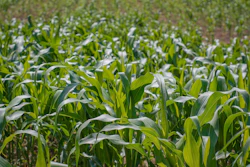
"Impacts from this short-term drought included poor crop yields in Ohio, widespread poor forage production across southern Missouri recently and disease in white-tailed deer in Kentucky," the report stated.
While much of the country struggled with dry conditions, parts of the Northeast received substantial rainfall. Eastern New York saw localized totals exceeding 5 inches, improving streamflow and soil moisture conditions. Heavy precipitation also fell across portions of southern Missouri, Arkansas, Tennessee and Kentucky, with totals of 1-3 inches providing limited drought relief.
However, even in New England where heavier rains occurred, the precipitation was often insufficient to reverse drought development as "streamflows decreased substantially after the event and rains struggled to infiltrate deeper into soils," according to the report. The recent dry weather has caused many wells and springs to run dry in parts of New England.
The West experienced mixed conditions. Recent precipitation improved drought conditions along the northern Colorado Front Range into southeastern Wyoming and in portions of New Mexico, Arizona, Nevada and Oregon. However, conditions deteriorated across northern Montana and adjacent western North Dakota, where abnormal dryness and moderate to severe drought expanded.
Looking ahead, the National Weather Service forecasts mostly dry weather across large portions of the contiguous U.S. through October 6, with limited rainfall primarily in the Southeast, especially Florida, where precipitation may exceed 4 inches. For October 7-11, above-normal precipitation is expected in the Southwest, particularly Arizona and New Mexico, parts of the central Great Plains, Upper Midwest and Florida Peninsula.
Meanwhile, above-normal temperatures are forecast to persist across most of the southwest, central and eastern U.S., which could further intensify drought conditions in affected regions.