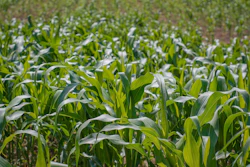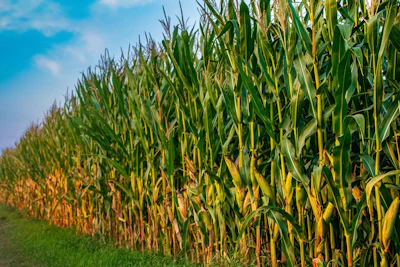
Corn stocks in the United States dropped 13 percent from last year to 1.53 billion bushels, according to the U.S. Department of Agriculture's latest grain stocks report released on September 30.
The report shows a significant reduction in stored supplies of the nation's two largest crops, with soybeans also declining 8 percent to 316 million bushels compared to September 2024 levels.
On-farm corn storage saw the steepest decrease, falling 18 percent to 643 million bushels, while off-farm corn stocks in commercial facilities dropped 10 percent to 888 million bushels.
"The June through August 2025 indicated disappearance for corn is 3.11 billion bushels, compared with 3.23 billion bushels during the same period last year," the USDA noted in its report.
Soybeans followed a similar pattern with on-farm stocks declining 18 percent to 91.5 million bushels and off-farm storage dropping 3 percent to 225 million bushels. The June-August disappearance for soybeans reached 691 million bushels, up 10 percent from the previous year.
In contrast to corn and soybeans, all wheat stocks increased 6 percent to 2.12 billion bushels. On-farm wheat storage rose 4 percent to 692 million bushels, while off-farm stocks climbed 7 percent to 1.43 billion bushels. Wheat disappearance for June through August was 715 million bushels, up 5 percent from 2024.
The report also included revisions to 2024 crop production figures, with corn for grain production adjusted upward by 25 million bushels and soybean production revised up by 7.74 million bushels.
Other grains showed mixed storage trends. Durum wheat stocks increased 6 percent to 71.1 million bushels, while barley stocks fell 3 percent to 150 million bushels. Oat storage climbed 3 percent to 67.5 million bushels.
Grain sorghum showed the largest percentage increase among major grains, with stocks up 22 percent to 40 million bushels. The USDA reported sorghum disappearance at 59.6 million bushels, a dramatic 257 percent increase from the same period last year.
Sunflower seed stocks recorded the most significant decline, falling 63 percent to 209 million pounds, with 21.2 million pounds stored on farms and 188 million pounds in off-farm positions.