U.S. grain rail shipments fell 11% for the week ending October 3, declining to 26,643 carloads, though barge movements increased 20% to 399,450 tons, indicating a shift in transportation methods for grain exports.
- Rail grain carloads dropped 11% week-over-week to 26,643 for the week ending October 3, though remained 3% above the three-year average
- Barged grain movements surged 20% to 399,450 tons for the week ending October 10, though 18% lower than the same week last year
- Secondary railcar bids for October shuttle cars jumped $138 to $488 above tariff, indicating tightening rail capacity
- Ocean grain vessels loading at the Gulf totaled 28 for the week ending October 8, but 46 vessels expected within 10 days, up 12% year-over-year
- U.S. average diesel fuel prices fell 2.0 cents to $6.179 per gallon, but remain $2.514 above last year
U.S. grain transportation activity showed a mixed picture during the first full week of October, with rail carloads declining while barge movements increased, according to the latest U.S. Department of Agriculture (USDA) Agricultural Marketing Service's Grain Transportation Report.
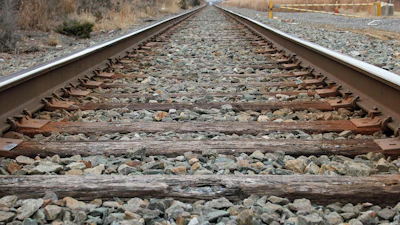
Class I railroads originated 26,643 grain carloads for the week ending October 3, an 11% drop from the previous week and 3% below last year’s levels. However, the figure remained 3% above the three-year average, suggesting moderate demand compared to historical trends.
Secondary railcar markets reflected tightening capacity in some segments. Average October shuttle secondary railcar bids reached $488 above tariff per car for the week ending October 8, jumping $138 from the prior week. The rate was $8 below the same week last year.
Non-shuttle secondary railcar bids stood at tariff, down $13 from the previous week and $25 lower than last year.
Barged grain movements totaled 399,450 tons for the week ending October 10, a 20% increase from the previous week. The figure was 18% lower than the same week last year.
River traffic picked up with 253 barges moving downstream, 37 more than the previous week. The New Orleans region unloaded 751 grain barges, up 3% from the prior week.
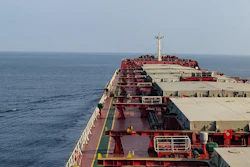
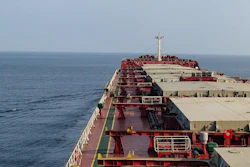
Twenty-eight oceangoing grain vessels loaded in the Gulf for the week ending October 8, 7% fewer than the same period last year. Looking ahead, 46 vessels are expected to load within 10 days starting October 9, 12% more than last year.
Shipping rates to Japan edged up 1% across both routes. The cost to move a metric ton of grain from the U.S. Gulf to Japan reached $76.25 as of October 8. The Pacific Northwest to Japan route cost $37.50 per metric ton.
The U.S. average diesel fuel price decreased 2.0 cents to $6.179 per gallon for the week ending October 12. Prices remain $2.514 above the same week last year, reflecting sustained pressure on transportation costs.
Export sales figures for the week ending October 8 were unavailable at publication time due to the federal holiday on October 12. USDA’s Foreign Agricultural Service will release its next U.S. Export Sales Report on October 16.
The weekly grain transportation data provides operators and traders with current market conditions across rail, barge, and ocean shipping modes.