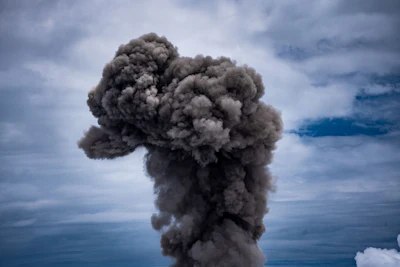
The National Grain and Feed Association is urging grain handlers, processors and animal food facilities to assess their exposure to lead dust ahead of the U.S. Army's planned detonation of degraded lead azide at the Iowa Army Ammunition Plant in Middletown, Iowa.
In an alert to members, NGFA encouraged facilities located within or sourcing commodities from the potentially impacted area to evaluate potential exposure pathways and consider appropriate precautionary measures. The detonation is scheduled for about 9 a.m. CST Wednesday, according to a public safety advisory from Army Sustainment Command. It will destroy approximately 68 drums of lead azide totaling more than 9,700 pounds of net explosive weight, the Army said in an announcement Tuesday.
The Army said the decades-old material has crystallized, making it too sensitive to move or neutralize. The operation was first planned for Nov. 20 and was delayed amid a legal challenge before a federal appeals court cleared the way Monday.
Where the dust may land
The concern for the grain and feed sector is deposition. The Army's updated lead deposition maps, issued Nov. 24, project lead-containing dust moving southwest from the plant through a portion of southeast Iowa and into northern Missouri. The Army will revise the maps hourly before the blast and issue a final estimate of the affected area afterward.
USDA and the Iowa Department of Agriculture and Land Stewardship estimate that approximately 350 farms could be affected, Richard Fordyce, USDA undersecretary for farm production and conservation, said Tuesday. With harvest largely complete in the area, Iowa Agriculture Secretary Mike Naig said the department's focus has been on livestock producers.
What NGFA recommends
NGFA said that in addition to recommendations from the Food and Drug Administration, precautions may include covering grain ground piles, evaluating aeration and receiving and shipping operations, protecting grain during transportation and considering potential exposure of remaining unharvested crops.
That list targets the points where grain meets outside air. Ground piles sit uncovered, aeration fans move outside air through stored grain, and open trucks carry grain across the region.
USDA advises producers who have not completed harvest to contact their local Farm Service Agency office before harvesting to ensure proper handling of crops harvested after the detonation, according to its resource page for Iowa farmers and ranchers.
For livestock producers within 20 miles of Middletown, the state agriculture department's updated guidance recommends moving feed, hay bales and portable water tanks indoors, or covering them with tarps, and requesting baseline soil and forage samples from the Army.
Testing and claims
USDA maintains that the food supply remains safe. "Both USDA and FDA have proper protocols in place to ensure there are no heavy metals, including lead, in the food that enters the supply chain," Fordyce said. USDA will also increase post-slaughter tissue sampling of meat, poultry and egg products in the region.
The Environmental Protection Agency is sampling before, during and after the detonation. Producers who believe they sustained livestock health or property damage can file a claim with the Army, and USDA recommends documenting feed losses, financial impact and testing results.
"There's a lot of things that'll have to be determined after we see the impact and what kind of levels we see," Naig told Iowa Public Radio.
The Army said post-detonation sampling results will be published when available. Agency updates are collected on a resource hub maintained by Iowa Homeland Security and Emergency Management.