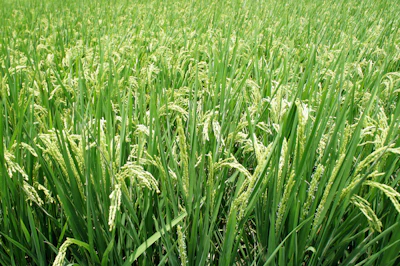
Agricultural Research Service scientists have developed a new Jasmine rice variety that could help American farmers compete in the premium rice market.
Sallah, a mid-season conventional variety, produces commercially acceptable grain and milling yields while offering strong resistance to rice blast disease and sheath blight, two major threats to U.S. rice crops. The variety features translucent, slender grains with an aroma similar to Thai Jasmine and a distinct popcorn-like scent.
The development comes as demand for Jasmine and Basmati rice varieties continues to grow both domestically and globally. Jasmine rice typically sells at higher prices than conventional white rice, making Sallah an attractive option for growers looking to increase profits.
“Sallah has great potential for growing in many of the country’s top rice producing states, including Arkansas, Louisiana, and Texas,” according to ARS researchers.
The variety offers several advantages for farmers beyond disease resistance. Sallah produces high ratoon yields, allowing growers to harvest a second crop from stubble left in fields after the main harvest. This method requires no new seeds and can reduce fertilizer and labor costs.
Consumers will find Sallah appealing for its translucent appearance, firm texture, and good flavor. The rice maintains medium grain cooking quality while delivering the aromatic profile that Jasmine rice consumers expect.
ARS is currently working with the U.S. rice industry to make Sallah commercially available to growers in 2027. The variety’s combination of disease resistance, market appeal, and cost-saving cultivation methods positions it as a competitive option for American rice producers entering the specialty rice market.