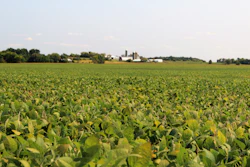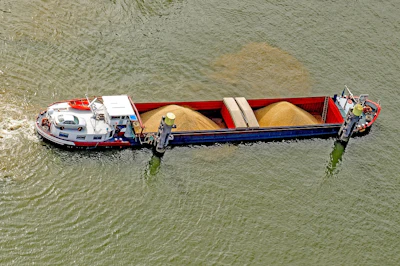
The U.S. Department of Agriculture's Economic Importance of Inland Waterways to U.S. Agriculture report underscores the vital role inland waterways play in supporting U.S. agriculture, transporting bulk commodities like soybeans, corn, wheat, rice, and sorghum efficiently and cost-effectively. The report updates the 2019 study by expanding its scope to include more commodities, additional river systems, and more states.
The report finds that inland waterways support over 200,000 jobs, nearly $17 billion in labor income, and almost $30 billion in GDP annually. Agricultural exports alone generate 122,000 jobs and $18 billion in GDP, primarily in grain and oilseed farming. Stakeholders emphasize the waterways’ safety, reliability, and cost advantages, which help maintain U.S. competitiveness in global markets.
However, the system faces challenges. Much of the infrastructure, including locks and dams, is over 60 years old and operating beyond its design life. Deferred maintenance and limited funding raise the risk of disruptions that could cause costly delays, spoilage, and lost sales. The report’s scenario analysis shows that expanding locks could create 8,000 new jobs and add $2 billion in GDP annually, while disruptions would increase transportation costs and environmental impacts.
The USDA highlights the need for targeted investments to maintain and upgrade the waterways, warning that without action, the economic benefits and global competitiveness of U.S. agriculture could erode. The report is accompanied by an interactive data dashboard available through USDA’s AgTransport platform, offering detailed insights into state-level impacts.