Drought conditions expanded across the Midwest during the week ending May 30, while the Southeast continued to see relief from persistent stormy weather, according to the latest U.S. Drought Monitor report released this week. The report is jointly produced by the National Drought Mitigation Center at the University of Nebraska-Lincoln, the U.S. Department of Agriculture, the National Oceanic and Atmospheric Administration and NASA.
The contrasting patterns reflect an active weather system that brought beneficial rains to southern states while leaving much of the upper Midwest dry and increasingly stressed by above-normal temperatures.
Midwest faces rapid deterioration
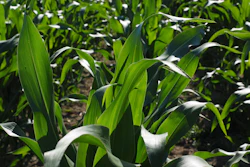
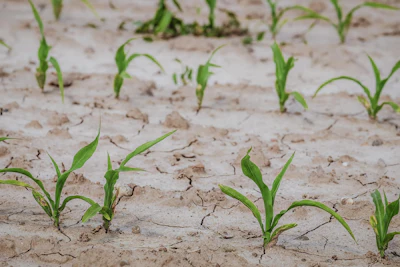
Hot, dry conditions prompted widespread drought expansion across the Midwest, with abnormal dryness now covering nearly all of Wisconsin. The combination of limited rainfall and elevated temperatures stressed spring crops and reduced soil moisture levels throughout the region.
Moderate drought was introduced to northern Illinois, southeastern Wisconsin and areas along the Mississippi River north of Iowa. The deterioration occurred despite longer-term moisture indices remaining more favorable, highlighting how quickly conditions can change during periods of high evapotranspiration demand.
“Absent a shift towards a wetter pattern, this region is vulnerable to further rapid deterioration due to high evapotranspirative demand this time of year,” the report stated.
Southeast sees continued improvement
The Southeast experienced another week of widespread drought reductions as many Deep South locations ended May with 150 to 300 percent of normal precipitation. Heavy rains exceeding 6 inches fell across southern Alabama, the Florida Panhandle and portions of Georgia that had been experiencing exceptional drought.
Alabama is now free of moderate drought or worse conditions, while Georgia has nearly eliminated exceptional drought coverage. The improvements follow a pattern of beneficial rainfall that has provided substantial relief after months of severe conditions.
However, significant long-term impacts to lake levels and groundwater persist, particularly along the coastal plains of Georgia and the Carolinas, where severe drought remains widespread.
High Plains see mixed results
Stormy weather brought relief to much of the High Plains, with Kansas and Nebraska receiving the heaviest precipitation. Areas that missed significant rainfall, including portions of the Dakotas and far northern Nebraska, experienced some degradation.
The beneficial rains competed with much above-normal temperatures that maintained high moisture demands across the region.
Northern Plains expansion continues
Hot, dry weather across the northern Plains and upper Midwest caused further expansion of drought and abnormal dryness. The pattern has persisted for several weeks, with widespread degradation occurring in western portions of the Midwest region.
A late-week storm system brought heavy precipitation to western and central Montana, providing some drought relief following a period of hot, windy conditions.
Outlook remains challenging
The forecast calls for continued above-normal temperatures across much of the country, with limited precipitation expected for many drought-affected areas. The pattern suggests ongoing challenges for agricultural regions already experiencing moisture stress.