Building or upgrading grain and feed facilities is no small feat, especially as costs rise and projects grow more complex. But for many operations, government grants can be the difference between moving forward or shelving a needed project. In a recent episode of the Feed & Grain Podcast, host Steven Kilger sat down with grant specialists Brian Hinrichs and Miranda Braatz of VAA, who have helped clients secure over $500 million in federal and state funding. Their insights shed light on the often-misunderstood world of grant applications and how to position projects for success.
Start early and plan strategically
One of the biggest takeaways from Hinrichs and Braatz is the importance of timing. Federal grants typically cover projects costing $5 million or more and can take up to two years from application to funding. State grants cover smaller projects and generally move faster, while local grants and economic development incentives offer shorter timelines.
“Start thinking about grants a year or two before your project,” Braatz advises. “Look for programs your project might qualify for and begin conversations early.”
VAA helps clients by mapping out a multi-year strategy that aligns projects with the right grants, maximizing funding opportunities.
The power of public-private partnerships
Federal grants rarely flow directly to private companies. Instead, a public sponsor, often a city, county, or port authority, must back the project. This public-private partnership is critical for eligibility and smooth grant management.
Hinrichs explains, “You can’t just ask a city to be your sponsor three weeks before a deadline. It takes time to build relationships and get formal approval.”
VAA’s experience helps clients navigate this process, ensuring strong community support and aligning project goals with public benefits like job creation and economic growth.
Tell your story and follow the rules
Grant applications are more than technical documents; they’re narratives that explain why a project matters.
“Federal agencies want to know who benefits, what efficiencies result, and how local farmers or producers gain,” Hinrichs says. “It’s about telling a compelling story that fits the grant’s goals.”
But telling your story isn’t enough. Applicants must also meticulously follow the Notice of Funding Opportunity (NOFO) guidelines. Missing details or assumptions can sink an application.
Braatz adds, “Compliance with federal, state, and local rules is non-negotiable. Having experts who understand these requirements is essential.”
Avoid common pitfalls
First-time applicants often underestimate the complexity of the process. Common mistakes include:
- Waiting too long to secure a public sponsor
- Overlooking the benefit-cost analysis, which must show a positive return on investment
- Submitting incomplete or vague project scopes without sufficient engineering or budgeting
- Failing to ensure equipment and materials meet “Buy American” requirements
VAA’s team includes economists and engineers who help clients prepare robust applications that stand up to scrutiny.
Leverage multiple funding sources
Federal grants usually cover up to 80% of project costs, requiring a 20% match. VAA’s secret weapon is combining state and local grants to cover that match, reducing the client’s out-of-pocket expense.
“We’ve secured millions by layering grants,” Hinrichs says. “For example, a $10 million project might get $7.5 million federal and $2.5 million state funding.”
This approach opens doors for projects that might otherwise seem financially out of reach.
Persistence pays off
Not every application succeeds on the first try. Braatz encourages clients to keep submitting and refining projects.
“We’ve seen projects funded on the second or third attempt,” she says. “And submitting to multiple grant programs increases your chances.”
Real-world success stories
VAA has helped projects like the Port Milwaukee upgrade, which enables Midwest grain to ship directly to Europe and North Africa, bypassing costly transloading. This efficiency earned two PIDP grants from the U.S. Maritime Administration.
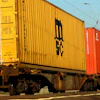
Another example is an inland grain facility in Galesburg that innovatively used empty shipping containers to move grain to Asia, securing full federal funding.
Navigating government grants is complex but rewarding. Hinrichs sums it up: “Work with a team that knows the process, understands the players, and has skin in the game.”
For grain and feed operations considering modernization, expansion, or new builds, early planning, strong partnerships and expert guidance can unlock millions in funding — turning ambitious projects into reality.