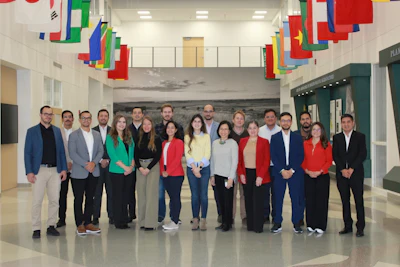
The U.S. Grains & BioProducts Council(USGBC)sponsored 12 Latin American ethanol and fuel importers and representatives for a weeklong course at the Northern Crops Institute in Fargo, North Dakota, covering the U.S. ethanol supply chain from corn production to plant output.
The USGBC described the course in a Nov. 13 update. The group came from five countries and included fuel suppliers, industry associations, technical experts and academics. The USGBC did not name the countries or the course dates.
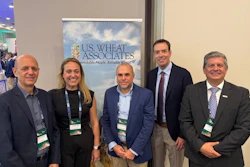
Tom Poole, the USGBC's manager of ethanol economics and policy, led a USGBC delegation that also included Lady Gomez, Latin America ethanol consultant; Marcelo Velazquez, Latin America consultant; Beatriz Pupo, Mercosur representative; and Rowena Torres-Ordonez, ethanol technical consultant and adviser.
Poole said the region's fuel policies are opening room for U.S. product.
"Latin America continues to offer opportunities for expanded ethanol use and trade as countries evaluate and implement gasoline-blending programs, diversify fuel supplies and assess lower-carbon transportation options," Poole said.
From classroom to plant floor
The course combined classroom seminars with hands-on work at NCI's feed mill and visits to regional corn value chain sites, including an ethanol plant and a family farm. The USGBC said the visits showed the links between crop production, ethanol manufacturing and coproduct use.
Classroom sessions covered U.S. corn supply, ethanol shipping procedures, sustainability certification, lifecycle assessment, carbon capture, emerging fuel uses in aviation and marine transportation, and coproducts such as distillers dried grains with solubles, or DDGS. Case studies and market exercises asked participants to evaluate opportunities to introduce or expand U.S. ethanol use in their own countries.
Gomez said the mix of participants was the point.
"The strength of this delegation was its diversity, bringing together fuel suppliers, industry associations, technical experts and academia from five countries at different stages of ethanol market development," Gomez said.
Those institutions handle fuel purchasing, technical evaluation and blending implementation, she said, and learning together built a shared understanding of the opportunities and practical challenges of expanding ethanol use across the region.
Why procurement training matters
The USGBC's argument is that a blending mandate does not move product on its own. Buyers also have to understand how the fuel is sourced and how its price risk is managed.
"In these markets, policy development alone is not enough," Poole said. "Commercial buyers and other institutions also need a practical understanding of how ethanol is produced, priced, contracted, transported, certified and managed in international supply chains."
He added that procurement knowledge helps decision-makers weigh sourcing options, price risk and ethanol sustainability, which in turn helps potential customers and policymakers evaluate U.S. ethanol and creates export opportunities for U.S. producers.
What it means for corn demand
For the grain side of the business, ethanol export programs are a form of corn demand development. Each gallon shipped abroad is corn ground at a U.S. plant, and the same grind yields DDGS for domestic and export feed markets.
The USGBC did not report any purchase commitments tied to the course. Its value will show up, if at all, in whether participating countries expand blending programs and source more of that fuel from U.S. plants.