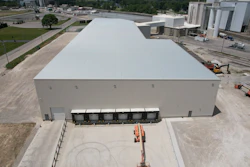
Chevron U.S.A., a subsidiary of Chevron, will restart its idled biodiesel plant in Ralston, Iowa, under a commercial and operational agreement with farmer-owned Landus, whose neighboring soybean processing plant will supply feedstock.
Chevron announced the restart Thursday in a news release. At full production, the Ralston plant can make nearly 42 million gallons of biodiesel a year, enough to fuel more than 275,000 typical 18-wheelers, according to the company. Chevron idled the plant in 2024 after a market downturn.
The companies did not give a restart date, a cost or the terms of the supply agreement. Chevron said the restart is expected to create jobs and contracting work in the region, but the timing and scope of hiring are still being assessed.
Andy Walz, Chevron president of downstream, midstream and chemicals, tied the decision to current market conditions.
"Restarting the Ralston facility reflects improved market conditions and Chevron's commitment to helping meet our customers' energy demands," Walz said.
How the restart works
The restart will be staged, with staffing, maintenance, safety and operational-readiness work before production resumes, according to Chevron.
The feedstock logistics are straightforward. Landus' Ralston plant processes more than 28 million bushels of soybeans a year, which Chevron said makes it the largest mechanical crush facility in the U.S. Mechanical, or expeller, crushing presses oil from soybeans without solvent extraction. With the crush plant next door, soybean oil can move to the biodiesel plant without long-haul freight, which Chevron described as an efficient feedstock supply chain. Landus has also recently made updates to its Ralston processing plant, the release said, without giving details.
Walz framed the restart as part of a broader push on fuel supply.
"As global oil markets remain tight, Chevron is taking practical steps across our entire system to help strengthen fuel supply," Walz said.
Chevron said its U.S. petroleum refineries ran at nearly 98% utilization in the third quarter and that it set monthly renewable diesel and biodiesel production records in 2026.
What it means for soybean growers
Iowa is the country's second-largest soybean state, and Chevron said the restart will provide more opportunities for soybeans grown by Iowa farmers, along with more biodiesel for regional customers and the broader diesel market.
Eric Heismeyer, president and CEO of Landus, said the site has long paired the two businesses.
"The combination of soy processing and biodiesel production at the Ralston site has long represented a powerful partnership among our companies, communities and stakeholders," Heismeyer said.
Heismeyer said the agreement is a step toward more market access for Landus' farmer owners. The cooperative has more than 5,500 farmer members and operations in six U.S. states and Mexico.
Policy backdrop
Chevron did not say which market conditions improved. The Iowa Renewable Fuels Association said in an Oct. 6 statement on refinery exemption reallocation that the EPA's Renewable Fuel Standard rule earlier this year helped spur biofuel demand and prompted idled Iowa plants to resume production.iowarfa+1
Open items include when Ralston will produce its first gallons, how many workers it will hire and how much of Landus' soybean oil output the agreement covers.