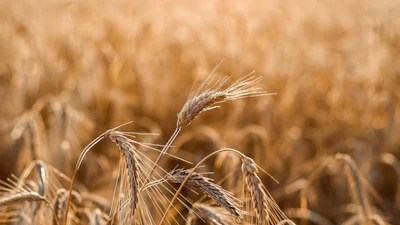
U.S. Department of Agriculture (USDA)-purchased wheat has reached Kakuma Refugee Camp in Kenya, moving U.S.-sourced grain from federal procurement into an active humanitarian food assistance pipeline.

The operational pressure is straightforward: food aid programs need staples that can move reliably, arrive in usable form and fit into ration planning without disrupting distribution schedules. Wheat plays that role because it is scalable, familiar to procurement systems and flexible enough for humanitarian food baskets. At Kakuma, the arrival of USDA-purchased wheat puts U.S. grain directly into the camp-level food supply system, where delays are not an accounting inconvenience. They affect the timing and consistency of assistance.
For the U.S. wheat sector, the shipment also keeps humanitarian demand in view alongside commercial exports. Aid procurement does not behave exactly like private trade, but it still draws on the same production base, handling network and export infrastructure that move wheat into global channels. When USDA-procured wheat reaches a destination such as Kakuma, U.S. grain stays embedded in food security logistics, not just in price-sensitive commercial buying.
There is also a difference between procurement and completion. Buying the wheat is only the opening step. The value of the transaction is realized when grain moves through the pipeline and reaches the people the program is designed to serve. Kakuma is the point where policy, logistics and commodity movement stop being abstract and become operational.
Kansas Wheat's update places the arrival inside the broader story of U.S. wheat's role in humanitarian assistance. Federally purchased wheat is not sitting on paper. It is moving into the aid system and arriving where food needs are immediate.