The U.S.-based sterile fly dispersal facility in Edinburg, Texas, has been completed, expanding the U.S. Department of Agriculture’s (USDA) ability to disperse sterile flies along the U.S.-Mexico border and into the United States, if necessary, to fight the spread of the New World screwworm (NWS).
“This sterile fly dispersal facility was a high-priority project, and our team delivered it in record time,” said U.S. Agriculture Secretary Brooke Rollins. “This new facility is a monumental achievement for our domestic preparedness efforts, but we are also diligently working to stop the spread of screwworm in Mexico, conduct extensive trapping and surveillance along the border, increase U.S. response capacity, and encourage innovative solutions.”
In June 2025, Rollins announced a sweeping five-pronged plan to enhance USDA’s ability to detect, control and eliminate NWS. As part of that announcement, she also shared plans to build this sterile NWS fly dispersal facility in South Texas. The completion of the facility further expands the network of dispersal facilities through Central America and Mexico and solidifies the increased preparedness offered by having a U.S.-based facility.
On January 30, USDA announced a shift in its 100 million-per-week sterile fly dispersal efforts to reinforce coverage along the U.S.-Mexico border. While the sterile flies for this effort will initially be dispersed from the Tampico, Mexico, facility, USDA is prepared to quickly and strategically shift operations to the new Texas facility should there be a change in the location or new concentration of NWS cases in northern Mexico.
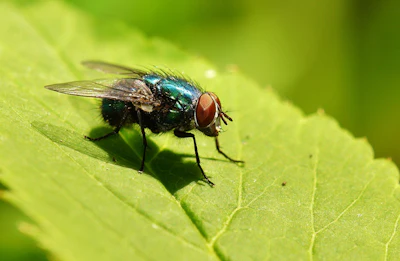
Sterile insect technique, when paired with surveillance, animal movement restrictions, and education and outreach, is a proven and effective tool for controlling and eradicating NWS. Female NWS flies only mate once in their lives, so if they mate with a sterile male, they lay unfertilized eggs that don’t hatch. Releasing sterile flies just outside of affected areas helps ensure flies traveling to new areas will only encounter sterile mates and will not be able to reproduce.