Drought conditions improved across portions of the Midwest and High Plains during the week of Nov. 26–Dec. 2, 2025, as rounds of snowfall brought modest moisture relief to key agricultural regions, according to the latest U.S. Drought Monitor report. The U.S. Drought Monitor is jointly produced by the National Drought Mitigation Center at the University of Nebraska-Lincoln, the United States Department of Agriculture and the National Oceanic and Atmospheric Administration.
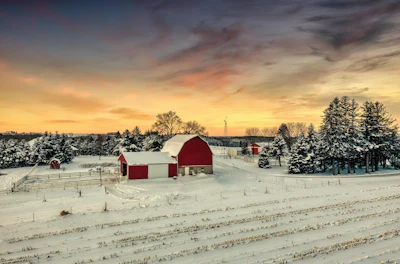
In the Midwest, snowfall totals — ranging from 10 to 34 inches in northern Michigan — prompted drought improvements in Iowa, Illinois, Wisconsin and Michigan.
However, short-term precipitation deficits and low soil moisture continue to challenge parts of Michigan despite widespread snow cover across the Northern Great Lakes. Temperatures ran 2 F to 15 F below normal across the region, slowing moisture loss but reinforcing early-winter stress on soils.
In the High Plains, drought shifts were limited, though eastern Kansas saw lingering pockets of Moderate Drought removed following 90 days of improvement. Elsewhere, 1 to 14 inches of snow fell across the northern Plains, with the Dakotas logging the highest accumulations. Much of the region experienced sharply cooler weather — 5 F to more than 20 F below normal — while snow cover expanded across the Upper Midwest.
The Plains and Midwest are expected to see less than 0.5 inch of precipitation over the next week, offering little opportunity for further short-term relief. The next week's outlook favors above-normal temperatures across most of the Plains and near-normal precipitation for the lower Midwest, while the Upper Midwest and Northern Plains could see above-normal precipitation — potentially extending incremental drought improvement in the regions most critical to U.S. agriculture.