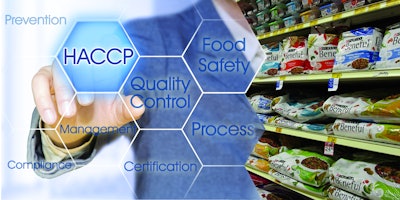
The saying goes, “An ounce of prevention is worth a pound of cure,” and that certainly holds up in the pet food space. Everyone involved in the production of pet food, be it as an ingredient supplier, a manufacturer or anything in between, has a responsibility to ensure their product is wholly compliant with the latest safety regulations and good practices. Of course, “everything in between” is a lot of steps, which makes pet food safety a complex prospect.
“Proper food safety and sanitation practices are essential to prevent pet food from being contaminated by harmful bacteria and other pathogens, rendering it unfit for consumption,” said Sarah Hammond, marketing manager for MoistTech Corp., which specializes in moisture detection, measurement and control technologies. “It is imperative that animals receive the same level of safety precautions as humans, particularly in the realm of food production. Many precautions should be taken into consideration, such as properly training employees, ingredient storage, precise manufacturing efficiency and proper sanitation methods to ensure not only safety but quality as well. It is essential for the layout of a food production facility to adhere to the production order, commencing with raw ingredients and concluding with the final product. Adhering to this sequence is crucial as it reduces the risk of bacteria spreading and contamination in other areas of the facility. Moreover, the correct layout enhances the safety of the facility for employees and reduces the likelihood of production errors.”