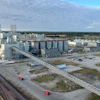
The Port of Gdynia in Poland has restarted cargo handling at its Baltic Grain Terminal, naming bulk handler GBT as interim operator during the peak season for post-harvest grain exports.
The terminal, known by its Polish initials BTZ, accounts for about 10% of the port's grain handling capacity, Kalina Gierblińska, director of the port's communications and marketing office, said in a statement. The port said the restart will raise its handling potential at a time of stronger demand for grain exports after harvest.
GBT specializes in agricultural bulk cargo, mainly grain and meal, and also manages the Gdańsk Bulk Terminal. The port said the interim contract was signed under provisions in the port authority's statute. GBT President Rafał Różański said the company's goal is to bring the terminal to full operational readiness as quickly as possible.
The interim deal is a bridge, not the final arrangement. A tender for a long-term lease selected a consortium of Szczecin Bulk Terminal, Tapini and Ribera. The European Commission approved the transaction Oct. 12, and the port said formal and organizational steps are underway before the final lease is signed.
The merger filing submitted to the Commission identifies the companies taking control: Bunge and Danish group CM Holding, parent of Copenhagen Merchants, which will take joint control of the terminal through a 30-year concession signed with the port authority through their subsidiaries. Bunge is headquartered in St. Louis, and Copenhagen Merchants works in grain brokerage, dry bulk shipping and European port terminals. Under the concession, the filing said, BTZ will be renovated and its capacity increased significantly.
That matters for Baltic grain flows. Grain handling at Poland's three largest seaports rose more than 26% from a year earlier in January through September 2026, according to port data. Gdynia handled nearly 3.7 million metric tons of grain during that period, up more than 18%.
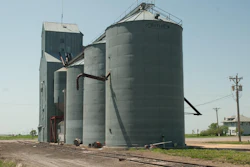
The terminal handles and temporarily stores grain, oilseeds and feed ingredients. Its flat warehouses, silos and elevator can hold up to 72,000 metric tons, according to the port.
The port has not said when the long-term lease will be signed. Neither the port nor the filing gives a renovation schedule or a target capacity for the upgraded terminal.