U.S. grain transportation during the week ending Aug. 27 saw domestic movement gaining strength while export activity weakened.
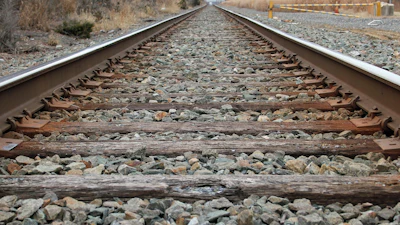
Class I railroads originated 27,829 grain carloads during the week ending Aug. 22, up 5% from the previous week and 12% from the same period last year. The total was 26% above the three-year average, according to the Agricultural Marketing Service’s weekly Grain Transportation Report released Sept. 3.
Railcar costs continued climbing, with average September shuttle secondary bids reaching $638 above tariff per car for the week ending Aug. 27. That marked a $238 increase from the previous week and $792 more than the same week in 2025.
Barge traffic also increased, with grain movements totaling 540,154 tons for the week ending Aug. 29. This represented a 14% jump from the prior week and 41% more than last year. Operators moved 346 barges downriver, though the New Orleans region unloaded 468 grain barges, 15% fewer than the previous week.
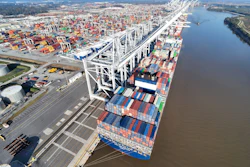
Ocean shipping presented a different picture. Only 18 oceangoing grain vessels loaded in the Gulf during the week ending Aug. 27, down 47% from last year. Looking ahead, just 29 vessels were expected to load within 10 days starting Aug. 28, representing a 36% decline from 2025.
Shipping rates to Japan rose modestly, with Gulf-to-Japan costs reaching $74.50 per metric ton, up 2% from the previous week. Pacific Northwest-to-Japan rates climbed 1% to $37.00 per metric ton.
Export sales reflected ongoing challenges. Unshipped corn and soybean balances totaled 2.97 million metric tons, down 49% from the previous week. Net corn export sales for marketing year 2025/26 fell to negative 0.83 million metric tons, while net soybean sales also dropped to negative 0.09 million metric tons. Wheat export sales for MY 2026/27 showed more stability at 0.31 million metric tons, though down 22% from the prior week.
Diesel fuel prices offered some relief, dropping 5.3 cents to $5.599 per gallon for the week ending Aug. 31, though still $1.865 above last year’s level.