French health authorities have confirmed the first known human infection with Shamonda virus, a midge-borne livestock disease that has spread rapidly through cattle in France and elsewhere in Europe since this summer.
Health authorities were notified Oct. 7 of the case in a severely immunocompromised patient being treated for a serious neurological condition at the Hospices Civils de Lyon, according to Santé publique France, the national public health agency. The patient later died. Tests detected the virus in several biological samples.
No human-to-human transmission or risk to the general population has been identified, the agency said. The leading hypothesis is that the patient was bitten by an infected Culicoides midge, though investigators are still examining the patient's environment, travel and any exposure to animals.
The World Health Organization said further study is needed to understand how the virus spreads, according to UN News. Director-General Tedros Adhanom Ghebreyesus said WHO is working with French authorities to determine how the patient was infected and whether there is any wider risk to public health.
Shamonda virus, a member of the Orthobunyavirus genus, was first identified in Nigeria in the 1960s. Until now it was not believed to be transmissible to humans, and Santé publique France said the detection reflects the patient's exceptional health condition and in-depth testing by the Lyon hospital.
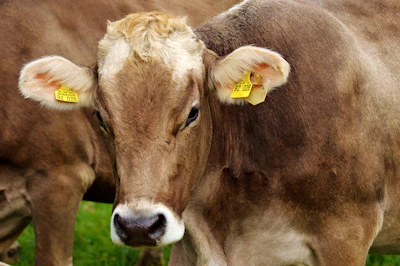
For livestock producers, the larger concern is the animal outbreak. Shamonda virus primarily affects cattle, sheep and goats, causing fever, diarrhea and decreased milk production, as well as abortions and congenital malformations, Santé publique France said. It has also been found in horses with neurological disorders and in alpacas.
A new strain, called Shamonda-Europe, has spread across Europe since this summer. As of Tuesday, the virus had been detected in cattle in 52 French departments, in sheep in Oise and Aveyron and in a horse in Hérault. There is no commercially available vaccine, according to the World Organisation for Animal Health.
Investigators are sequencing the virus from the patient to compare it with strains circulating in animals. The work involves the national animal health reference laboratory at the French Agency for Food, Environmental and Occupational Health and Safety, the National Reference Center for Arboviruses and the National Veterinary School of Toulouse. Genomic surveillance in ruminants, a study of neurological cases in horses and analysis of midges collected during the season are also underway.