USDA's Economic Research Service raised its forecast for 2027 food price inflation to 3% from 1.7% a month earlier, while projecting that farm-level wheat prices will climb 19.3% this year on a smaller U.S. crop.
The agency published the figures Tuesday in its November Food Price Outlook, which incorporates October consumer and producer price index data. Prices for all food are now forecast to rise 2.9% in 2026, with a forecast interval of 2.7% to 3.1%, up from 2.8% in the October outlook. The 2027 forecast carries an interval of -0.7% to 6.9%. Food prices rose an average of 3% a year from 2006 to 2025
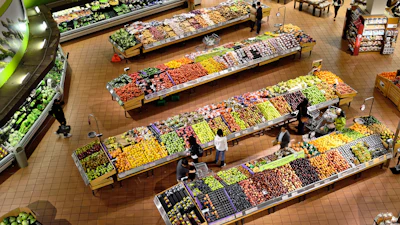
Grocery prices account for most of the 2027 revision. Food-at-home prices are forecast to rise 2.4% in 2026 and 1.9% in 2027, compared with a 1% increase forecast for 2027 a month ago. Food-away-from-home prices are forecast to rise 3.6% in both years.
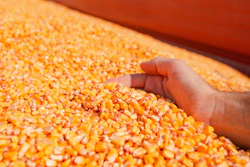
Wheat stands out at the farm level. Prices fell 9.5% from September to October but were 38.5% higher than in October 2025, and ERS narrowed its 2026 forecast interval to 16.3% to 22.8%. The October outlook had called for a 22.6% increase. The agency tied the higher prices to decreased U.S. production, saying drought across wheat-producing areas reduced the 2026-27 crop and could complicate planting of the 2027-28 crop.
The link to retail prices is indirect. Producer price indexes measure what domestic producers are paid for their output and are far more volatile than consumer indexes, which typically lag them because of the processing stages in between, according to ERS. Retail cereal and bakery prices are forecast to grow more slowly in 2026 than their 20-year average, and fats and oils prices are forecast to decline.
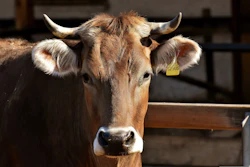
Livestock and poultry markets are moving in different directions. Farm-level cattle prices have fallen for five consecutive months and were 8.3% lower in October than a year earlier, though ERS still forecasts a 5.4% increase for 2026. Wholesale beef prices are forecast to rise 8.9% and retail beef and veal prices 9%, with beef production expected to stay below year-ago levels through the end of 2026.
Farm-level egg prices were 74.4% lower in October than a year earlier and are forecast to fall 81.9% in 2026 as production recovers from highly pathogenic avian influenza losses. Retail egg prices are forecast to fall 29.5%. Farm-level milk prices rose 10.8% from September to October but are forecast to decline 5.3% for the year, a smaller drop than the 10.5% forecast in October, as a larger dairy herd and higher output per cow lift milk production.
One data gap affects the comparisons. Consumer price data for October 2025 were not collected during the federal government shutdown that ran from Oct. 1 to Nov. 12, 2025, so ERS compared October 2026 consumer prices with September 2025. Producer price comparisons use October 2025.
The forecasts come from statistical models fitted to recent price trends and are not the department's official farm-level price projections, which appear in the World Agricultural Supply and Demand Estimates.