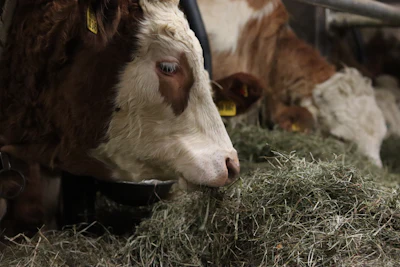
The number of cattle and calves on feed for the slaughter market in the United States reached 11.1 million head on Aug. 1, 2026, according to the Cattle on Feed report released by the National Agricultural Statistics Service. The inventory represents a 2% increase compared to the same date in 2025.
Feedlot placements during July told a different story. Operators placed 1.42 million head during the month, down 11% from July 2025. The figure marks the lowest July placements since NASS began tracking the data in 1996.
The placement numbers broke down across weight categories, with cattle weighing less than 600 pounds accounting for 310,000 head. The 600-699 pound category saw 215,000 head placed, while 700-799 pounds totaled 320,000 head. Heavier cattle made up the remainder, with 322,000 head in the 800-899 pound range, 185,000 head between 900-999 pounds, and 70,000 head weighing 1,000 pounds or more.
Marketings of fed cattle during July reached 1.62 million head, representing a 7% decline from the previous year. Like placements, July marketings hit their lowest point since the series began in 1996.
The report also tracked other disappearance, which includes death loss, movement from feedlots to pasture, and shipments to other feedlots for additional feeding. This category totaled 55,000 head during July, up 8% from 2025.
The monthly survey covers all known feedlots in the United States with capacity of 1,000 or more head. During non-January and non-July months, NASS surveys feedlots from 16 states that account for approximately 98% of cattle on feed in large-capacity operations.
The data provides operators and market analysts with information about cattle supply and movement through the feeding system. The combination of higher inventory levels with lower placements and marketings suggests shifting dynamics in the cattle feeding sector as the industry moves into late summer.