Ag Processing Inc shipped the first unit train of soybean oil in U.S. history from its David City, Nebraska facility in 2025, marking a significant milestone for the renewable fuels industry and demonstrating the cooperative's commitment to strengthening domestic supply chains and creating value for its farmer-members.
- AGP shipped the first unit train of soybean oil in U.S. history from its David City, Nebraska facility, which began commercial operations in 2025
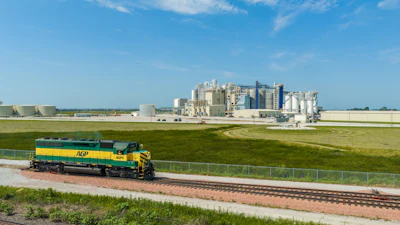
- The David City plant is AGP's 11th soybean processing facility and features more than 13 miles of rail to load unit trains of both soybean meal and soybean oil
- This milestone comes as the EPA finalized Renewable Fuel Standard biomass-based diesel volumes, driving increased demand for soybean oil in renewable fuels markets
- AGP pioneered biodiesel production in 1996 and is marking its 30th anniversary of biodiesel production in 2026
- The shipment strengthens domestic supply chains for renewable diesel and biodiesel while creating additional value for cooperative owners and their farmer-members
Ag Processing Inc shipped the first unit train of soybean oil in U.S. history from its David City, Nebraska, facility, marking a significant development for the cooperative and the renewable fuels industry.
The cooperative announced the milestone as its newest soybean processing and degumming facility demonstrates the capacity to efficiently load unit trains. The David City plant began commercial operations in 2025 as AGP’s 11th soybean processing facility.
“This milestone reflects what AGP has always been about, finding innovative ways to create more value for our cooperative owners while serving the evolving needs of our customers,” said Courtney Lawrenson, senior vice president of oils and energy for AGP. “By improving how we move soybean oil, we’re strengthening the supply chain for renewable fuels while creating additional value for our cooperative owners and their farmer-members.”
The shipment comes as the renewable fuels industry expands following the EPA’s finalization of Renewable Fuel Standard biomass-based diesel volumes. AGP, one of the nation’s leading soybean processors and biodiesel producers, has invested in infrastructure to supply renewable diesel and biodiesel markets as demand for soybean oil continues to grow.
Dean Thernes, chairman of the AGP board of directors, said the shipment demonstrates the cooperative’s commitment to its members. “As a cooperative, our responsibility is to create more value for our members’ soybeans,” Thernes said. “This first unit train shipment demonstrates how innovation and investment strengthen domestic markets, support American energy, and position our cooperative and member-owners for future growth.”
The timing coincides with AGP’s 30th anniversary of biodiesel production in 2026. The cooperative pioneered biodiesel production in 1996 and has continued investing in infrastructure that supports the renewable fuels industry.
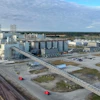
The David City facility features more than 13 miles of rail and can load unit trains of both soybean meal and soybean oil, providing customers with logistics flexibility.
“This isn’t simply about moving more product,” Lawrenson said. “It’s about building a stronger domestic supply chain that supports American agriculture, American energy, and long-term value for our cooperative owners.”