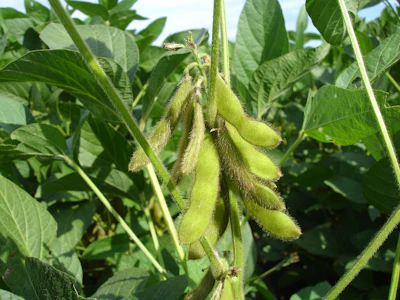
Soybean crushing edged lower in January 2026 compared with the previous month, while canola seed crushing and oil production showed notable gains, according to the latest USDA National Agricultural Statistics Service Fats & Oils report released March 2.
Soybeans crushed for crude oil totaled 6.84 million tons (228 million bushels) in January, a slight decrease from 6.90 million tons in December 2025 but an increase from 6.38 million tons a year earlier. Crude oil production from soybeans stood at 2.63 billion pounds, down 1% from December but 4% higher than January 2025. The production of once refined soybean oil dropped 5% from December levels to 1.82 billion pounds, though it was still 6% above the same month last year.
Canola seed crushing rose to 209,452 tons in January 2026, up from 193,387 tons in December and modestly higher than January 2025’s 205,923 tons. Correspondingly, canola crude oil production rose 11% from the prior month to 167 million pounds, a 4% increase year-over-year. However, once refined canola oil production declined 1% from December to 171 million pounds; this figure remained 9% higher compared to January 2025.
Cottonseed oil production saw a marked decline, with once refined cottonseed oil at 22.4 million pounds in January 2026, down 9% from the previous month and 34% below January 2025 levels.
Turning to animal fats, edible tallow production was 81.1 million pounds, a 7% decrease from December but a 15% increase from a year earlier. Inedible tallow production dropped 11% month-over-month to 282 million pounds, also down 7% from last January. Technical tallow output rose 11% from December to 110 million pounds but was 4% lower than in January 2025. Choice white grease production decreased 7% from December to 100 million pounds, a decline of 4% compared with January 2025.
Both December 2025 and January 2026 contained 31 days, which may have influenced monthly production comparisons.
The report underscores the dynamic shifts within oilseed crushing and fats production industries, reflecting factors that may include supply changes and market demand. The USDA National Agricultural Statistics Service administers these monthly surveys, collecting data from all known crushing and rendering facilities across the U.S.