As spring arrives, many producers begin assessing animal performance during the winter period, and often come to the same conclusion: “They didn’t do as well as expected.” But is it truly underperformance, or are we misreading seasonal biology?
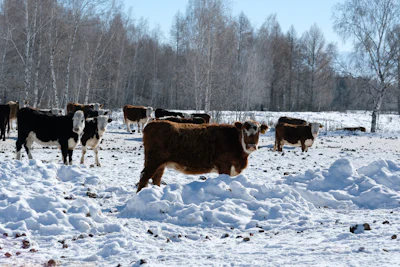
During colder months, animals shift energy priorities. Instead of channeling nutrients toward growth, milk or reproduction, a significant portion of dietary energy is redirected toward maintaining body temperature. This thermoregulation cost is invisible in daily gain or milk yield, but it is real and expensive. In practical terms, when the ration’s nutrient density remains unchanged, less of it is available for productive output. This partially explains why winter performance often lags behind expectations, especially when barns are poorly insulated, or animals are exposed to drafts and damp conditions.