Bunge published its 2026 Global Sustainability Report, marking the first comprehensive review since completing its combination with Viterra in July 2025. The agricultural commodities company reported progress on environmental commitments, including complete farm-level traceability for soy in South America and significant emissions reductions.
The combined entity now operates in more than 50 countries with approximately 34,000 employees across processing facilities, grain elevators and port terminals in major agricultural regions.
Supply chain transparency
Bunge achieved complete monitoring and traceability to farm level for direct and indirect soy sourcing in Argentina, Brazil and Paraguay. This milestone represents a decade-long investment in verified supply chains and supports the company’s commitment to deforestation-free sourcing.
“This achievement reflects a 10-year investment in verified, responsible supply chains and would not have been possible without close collaboration with farmers, customers, technology partners and industry peers,” the company stated in the report.
Palm oil transparency also improved, with Bunge reporting 96% traceability to plantation level in 2025. The company became the first to certify soybeans for Sustainable Aviation Fuel production under the ISCC CORSIA PLUS framework.
Emissions reduction
Climate performance showed measurable gains. The company reduced absolute Scope 1 and 2 emissions by 19.4% since 2020, while Scope 3 emissions dropped 12.1% over the same period. These reductions support progress toward science-based targets set for 2030.
Water efficiency improved as well. Bunge exceeded its 2026 goal for freshwater withdrawal intensity reduction, achieving a 17.9% decrease from 2016 baseline levels. The company had targeted a 10% reduction.
Regenerative agriculture programs
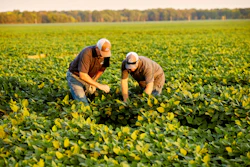
The report details expanded regenerative agriculture programs across six countries. Bunge invested $20 million alongside food customers to scale lower-carbon farming practices. These programs support soil health improvement and carbon sequestration on working farmland.
Safety and social impact
Safety performance remained strong with zero fatalities or life-altering injuries recorded in 2025. The company conducted 51 Fatality Prevention Audits with a 90% closure rate for high-risk corrective actions.
Social investment reached $7 million globally, supporting community programs in more than 25 countries. Employee engagement measured 84% across the combined workforce.
The company completed a double materiality assessment to inform strategy and prepare for new reporting requirements under evolving sustainability disclosure standards.published its 2026 Global Sustainability Report today, marking the first comprehensive review since completing its combination with Viterra in July 2025. The agricultural commodities company reported progress on environmental commitments, including complete farm-level traceability for soy in South America and significant emissions reductions.
The combined entity now operates in more than 50 countries with approximately 34,000 employees across processing facilities, grain elevators and port terminals in major agricultural regions.
Supply chain transparency
Bunge achieved complete monitoring and traceability to farm level for direct and indirect soy sourcing in Argentina, Brazil and Paraguay. This milestone represents a decade-long investment in verified supply chains and supports the company’s commitment to deforestation-free sourcing.
“This achievement reflects a 10-year investment in verified, responsible supply chains and would not have been possible without close collaboration with farmers, customers, technology partners and industry peers,” the company stated in the report.
Palm oil transparency also improved, with Bunge reporting 96% traceability to plantation level in 2025. The company became the first to certify soybeans for Sustainable Aviation Fuel production under the ISCC CORSIA PLUS framework.
Emissions reduction
Climate performance showed measurable gains. The company reduced absolute Scope 1 and 2 emissions by 19.4% since 2020, while Scope 3 emissions dropped 12.1% over the same period. These reductions support progress toward science-based targets set for 2030.
Water efficiency improved as well. Bunge exceeded its 2026 goal for freshwater withdrawal intensity reduction, achieving a 17.9% decrease from 2016 baseline levels. The company had targeted a 10% reduction.
Regenerative agriculture programs
The report details expanded regenerative agriculture programs across six countries. Bunge invested $20 million alongside food customers to scale lower-carbon farming practices. These programs support soil health improvement and carbon sequestration on working farmland.
Safety and social impact
Safety performance remained strong with zero fatalities or life-altering injuries recorded in 2025. The company conducted 51 Fatality Prevention Audits with a 90% closure rate for high-risk corrective actions.
Social investment reached $7 million globally, supporting community programs in more than 25 countries. Employee engagement measured 84% across the combined workforce.
The company completed a double materiality assessment to inform strategy and prepare for new reporting requirements under evolving sustainability disclosure standards.