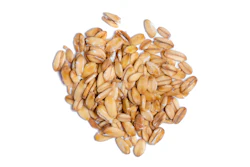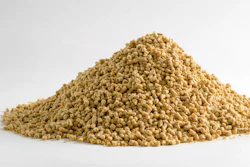
Formulating feed is simple. You open your software, plug in ingredients, set nutrient specs, hit “optimize,” and get a perfect least-cost diet in seconds. On paper, the animal thrives, the margins look good, and everything balances. Then you walk into the feed mill and reality tears your spreadsheet apart.
Feed formulation assumes ingredients are uniform, equipment is precise and people measure correctly. None of that is entirely true. Moisture drifts, mixers wear, scales lag and ingredients arrive with nutrient values that look nothing like the database. A batch of soybean meal that tests 46% protein instead of 48% might sound minor, but in a finely tuned broiler or lactation diet, that 2% can shift performance and cost far more than expected.