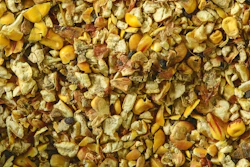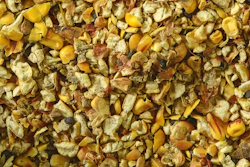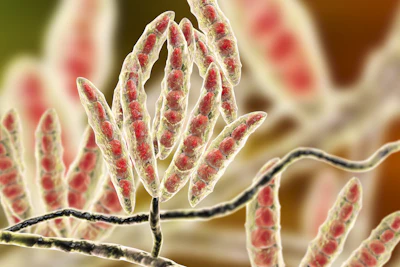
Mycotoxins remain a constant challenge for the feed industry, particularly during grain storage. Although laboratory analysis is essential for confirming and quantifying contamination, waiting for results is not always practical when decisions must be made quickly. Recognizing early warning signs in stored cereals can help limit exposure, prevent further toxin development and support effective risk management.
Grains such as corn, wheat, barley and sorghum remain biologically active after harvest. Storage conditions largely determine whether fungal growth is suppressed or allowed to progress. Moisture and temperature are the primary drivers. Grain stored above safe moisture levels — typically above 14% to 15%, depending on cereal type — faces a significantly higher risk of fungal activity, especially when combined with warm conditions.