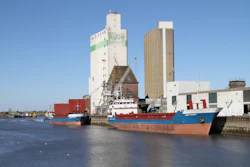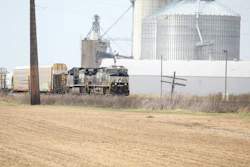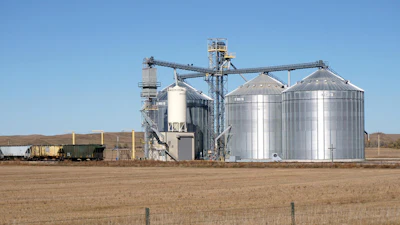
Grain elevators and cooperatives are entering the 2026-27 marketing year holding more grain, carrying bigger hedges and paying more to store and ship it, a combination CoBank said will push working-capital needs higher and earlier than normal.
In a Knowledge Exchange report released Thursday, Tanner Ehmke wrote that several elevators expect to exit harvest owning roughly 50% of the local corn and soybean crop, compared with a more typical 35% to 40%. With corn futures approaching $5 a bushel, many farmers are taking cash at harvest, asking for payment sooner than normal and delivering directly against existing contracts.
The mechanics are simple. When farmers sell, elevators take ownership and hedge with short futures positions, and commercial traders now hold one of their largest net short positions in recent years across corn, soybeans and wheat, according to Commodity Futures Trading Commission data cited in the report. In a rally, losses on those shorts must be settled immediately through margin payments, while gains on the physical grain are not realized until it is sold and shipped.
That gap is where lenders get nervous. Industry estimates cited by CoBank put the margin calls from a $1-per-bushel rally across all three futures markets at about $9.6 billion.
Crop quality adds cost. Wet harvest conditions have brought high-moisture and sprouted corn, raising drying and blending expenses, and some regions report more discolored soybeans. The report notes that under Federal Grain Inspection Service rules, a level of soybeans of other colors above 10% changes the class from yellow to mixed soybeans, and samples with high purple mottled or stained levels receive a special grade. Either can violate end-user contract specifications.
Carrying costs are up as well. Financing $5 corn takes substantially more capital than financing $3 corn, and higher interest rates compound the expense. Wheat is the biggest concern, with futures carry that may not cover financing and storage. Corn offers a more favorable carry. Soybeans offer less, and export demand may soften with another potentially record Brazilian harvest, though expanding domestic crush capacity is pulling bushels toward local processors.
Freight costs threaten local basis. A railroad fuel surcharge of 50 cents per railcar-mile on a 1,000-mile shipment works out to about 14 cents a bushel, and if end users will not absorb it, elevators must recover it through weaker bids. The report said current fuel costs may not be fully reflected yet and could show up after harvest, when grain movement picks up and rail and barge systems could face congestion.
The risks compound one another: slower movement raises inventories, larger inventories raise financing costs and bigger positions raise margin exposure. CoBank said grain companies should expect borrowing needs to rise earlier and stay elevated longer, may need to secure freight earlier than usual, and that lenders should test borrowers' ability to withstand large margin calls.