The Senate Environment and Public Works Committee unanimously passed the Water Resources Development Act of 2026, a bipartisan bill that authorizes flood risk management, ecosystem restoration, and clean drinking water infrastructure projects across the United States. The legislation funds 61 feasibility studies and 15 construction projects while reauthorizing EPA drinking water and wastewater programs.
- The Senate committee unanimously passed WRDA 2026, a bipartisan water infrastructure bill with support from both Republican and Democratic senators
- The legislation authorizes 61 feasibility studies and 15 new or modified construction projects for the U.S. Army Corps of Engineers
- WRDA 2026 reauthorizes EPA drinking water and wastewater infrastructure programs, including State Revolving Funds for clean water access
- The bill supports flood risk management, ecosystem restoration, and cybersecurity for water systems nationwide
- Approximately 80 million tons of grain and oilseeds move annually by barge on inland waterways that benefit from the infrastructure investments
The Senate Environment and Public Works Committee voted unanimously to pass the Water Resources Development Act of 2026, advancing biennial legislation that authorizes flood risk management, navigation, and ecosystem restoration projects across the country.
Chairman Shelley Moore Capito (R-W.Va.), Ranking Member Sheldon Whitehouse (D-R.I.), Senator Kevin Cramer (R-N.D.), Senator Angela Alsobrooks (D-Md.), and Senator Adam Schiff (D-Calif.) introduced the bill. The legislation authorizes 61 feasibility studies and 15 new or modified construction projects for the U.S. Army Corps of Engineers.
WRDA 2026 also reauthorizes the Environmental Protection Agency’s drinking water and wastewater infrastructure programs, including the State Revolving Funds.
“WRDA 2026 is an incredible bipartisan achievement that will strengthen water resources infrastructure and increase access to clean and safe drinking water nationwide,” Capito said. She noted the bill supports flood risk management efforts, restores ecosystems, strengthens cybersecurity for water systems, and provides funding for water infrastructure projects.
Whitehouse said the legislation demonstrates a bipartisan commitment to maintaining and upgrading the nation’s water infrastructure. Rhode Island stands to benefit from investments in safe drinking water and wastewater systems as well as flood risk management, ecosystem restoration, and navigation, he said.
The National Grain and Feed Association welcomed the committee’s approval, calling it an important step toward strengthening the nation’s inland waterways system and supporting the long-term competitiveness of U.S. agriculture.
“America’s inland waterways are a cornerstone of the agricultural supply chain, connecting producers to domestic customers and export markets around the world,” said NGFA President and CEO Mike Seyfert.
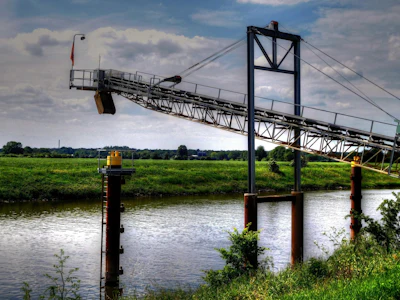
The grain and feed industry depends on a safe, reliable transportation system that includes waterways, railroads and highways. Each year, approximately 80 million tons of grain and oilseeds move by barge, complementing the hundreds of millions of tons transported by truck and rail.
NGFA supports provisions in the legislation that advance the maintenance and modernization of the inland waterway system, reduce delays caused by aging infrastructure, and improve the efficiency of freight movement.