FS GrainFS Grain is expanding its facility here to handle significantly larger rail shipments, addressing a transportation bottleneck that has forced much of northern Illinois grain to travel longer distances by truck.
The expansion, located 60 miles south of Chicago, will enable the facility to load trains with more than 100 railcars, compared with just 25 cars previously. The project also adds 1.2 million bushels of grain storage capacity.
With one railcar carrying more than four semi-loads, the increased capacity will allow substantially more local grain to move by rail, particularly during harvest season when efficiency matters most.
Limited rail capacity has been a persistent challenge for the region. Grain that can’t be loaded onto trains locally must travel longer distances by truck before reaching rail access points, adding time and cost for farmers trying to reach competitive markets.
The facility is also implementing RAYHAWK autonomous railcar technology, which uses machine learning, computer vision and robotics to open, close, seal and inspect railcar lids without workers climbing on top of the cars. The technology removes workers from one of the more hazardous tasks in grain handling.
The expansion connects Illinois farmers to markets throughout the Southeast, Southwest and Mexico, where grain supplies hog, cattle and poultry operations. Those facilities serve brands including Chick-fil-A, Tyson, Buffalo Wild Wings and Pride, creating a direct link from northern Illinois fields to consumers’ plates.
The project represents a significant infrastructure investment in a small Illinois community. St. Anne’s upgraded capacity allows the region to compete more effectively for distant markets that might otherwise source grain from areas with better transportation access.
The combination of increased storage, larger train capacity and autonomous technology positions the facility to handle grain more safely and efficiently while reducing reliance on truck transportation for long-distance shipments. The changes modernize grain logistics at a time when farmers need every advantage in connecting their crops to end users.
For northern Illinois agriculture, the expansion means better market access during the critical weeks when grain moves from field to storage to shipment.
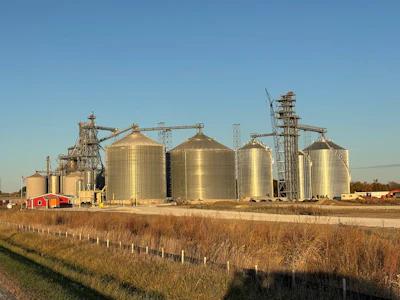
 FS Grain