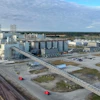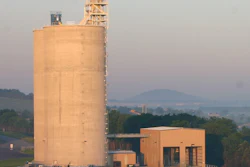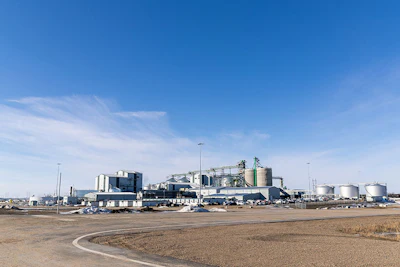
Cargill has opened a canola processing facility in Regina that will process 1 million metric tonnes of canola annually, strengthening market access for farmers across Saskatchewan and Western Manitoba.
The facility converts canola into high-value products including oil for food and renewable fuels and high-protein meal for animal feed. The plant helps meet growing global demand for food and low-carbon fuel solutions while allowing more of the crop to be processed domestically rather than exported as raw seed.
“This facility strengthens our ability to connect Canadian farmers to growing global demand for food and renewable fuels,” said Jeff Vassart, president of Cargill Canada. “By expanding processing capacity in Saskatchewan, we’re creating more opportunities for farmers while helping ensure Canada remains competitive in rapidly evolving global markets.”
As demand grows for lower-carbon energy solutions, canola is playing an increasingly important role as a renewable feedstock for biofuels. The Regina facility helps meet that demand while improving supply chain efficiency for farmers and customers.
The plant features dual receiving lanes, appointment scheduling and streamlined logistics supporting faster, more predictable deliveries for growers. Through programs like Cargill PowerCanola, the site helps farmers access emerging market opportunities.
Located at Saskatchewan’s Global Transportation Hub, the facility provides efficient rail access to domestic and export markets. The site supports more than 100 jobs in the region through full-time employees and contractors, contributing to economic activity across transportation, logistics and service sectors.
Cargill operates canola processing facilities in Camrose, Alberta, and Clavet, Saskatchewan, and offers programs to help Canadian growers access global markets and maximize crop value.