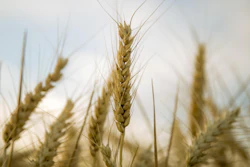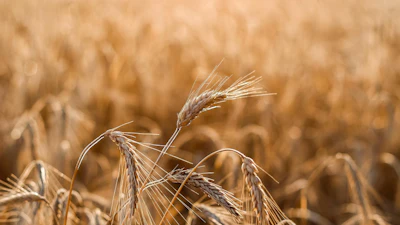

The Kansas crop looked excellent by December after timely fall moisture and warm temperatures encouraged tillering and root development. But dry conditions in March and April, combined with above-average temperatures, pushed the crop into high-demand growth stages with depleted soil moisture. Multiple freezes and May hail compounded the damage.
“This last season was, to me, kind of like a season of hope and despair,” said Romulo Lollato, K-State wheat and forages specialist, speaking on the Wheat’s On Your Mind podcast. “Really, as we got to December, we were in excellent shape, as we hadn’t been in years. From then, it simply became dry.”
Oklahoma’s crop came in at half of normal state totals, according to the Oklahoma Grain and Feed Association.
The difficult season tested how planting dates, variety selection, grazing management and modern genetics can give producers more options when conditions shift. Some producers chose to graze out poor-looking wheat rather than harvest for grain.
Lollato noted that wheat can add roughly 8 bushels per acre of yield potential for each additional inch of water when moisture arrives at the right time with good genetics and management already in place.
Despite the challenges, wheat continues earning its place in Kansas rotations through residue production, soil moisture conservation, weed management and grazing opportunities.