Feed processing at the mill is a gut health intervention that directly impacts pig digestion, microbial metabolism, and performance. Every decision about grinding, pelleting, soy quality, protein digestibility, and oxidation control shapes the intestinal environment before feed reaches the farm, making processing quality inseparable from biological quality.
- Feed processing is a gut health intervention: Grinding, heating, conditioning, and pelleting change protein structure, surface area, and digestion kinetics, affecting barrier function and immune activation before feed reaches the farm.
- Soybean meal quality varies significantly: Different processing methods affect trypsin inhibitors, antigen load, and protein solubility; soy protein concentrate contains lower levels of antigenic proteins than conventional soybean meal.
- Undigested protein feeds harmful bacteria: Protein escaping digestion in the large intestine becomes substrate for proteolytic bacteria that produce ammonia, phenols, and other metabolites damaging the intestinal barrier.
- Particle size requires biological compromise: Fine grinding improves feed conversion but reduces chewing, saliva production, and buffering, increasing gastric ulcer risk; 500-700 microns is a practical balance between efficiency and stomach health.
- Oxidation is an underestimated risk: Oxidized lipids reduce vitamin E status, impair villus structure, and damage the gut barrier; oxidation control should be part of feed quality control, not an afterthought.
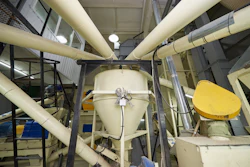
For too long, we have treated feed processing as a manufacturing issue. We grind, heat, condition, pellet, cool and transport feed, and then we assume the real biology begins only when the pig eats the diet. However, this is not how things work.
This article is based on my April presentation for Innovad’s Porcine Health & Nutrition Master Class, where I argued that feed manufacturing is not just a physical process. It is a gut health intervention.
Every processing decision changes the feed – sometimes for the better, sometimes for the worse. Heat changes protein structure. Grinding changes surface area. Pelleting changes chewing behavior. Storage changes oxidation status. These changes affect digestion rate, substrate flow, microbial activity, intestinal barrier function, immune activation and, finally, growth performance.
In simple terms, the feed mill is already influencing gut health before the feed reaches the farm. This is why I do not discuss gut health only in terms of additives. Additives have a place. But no additive can completely repair poor grinding, overheating, under-processing, oxidized fats or excessive undigested protein.
Soybean meal is not one ingredient
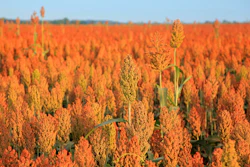
The first example is soy. We often speak about soybean meal as if it were one uniform ingredient. It is not. Soy products differ widely in processing intensity, heat exposure, trypsin inhibitor activity, antigen load, protein solubility and amino acid digestibility. This matters especially in nursery diets.
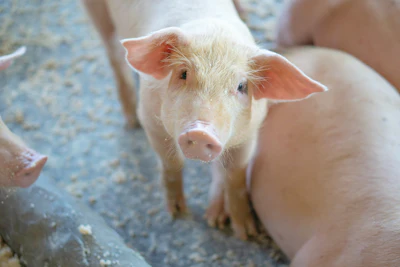
Young pigs are not small finishing pigs. Their digestive capacity is lower, their immune system is more reactive and their tolerance for antigenic proteins is limited. Glycinin and beta-conglycinin are good examples. They are not just laboratory terms. They are antigenic soy proteins that can stimulate mucosal immunity, reduce villus height, increase crypt depth and depress early performance. This is why soy quality matters after weaning.
Proper heat treatment also reduces anti-nutritional factors, such as trypsin inhibitors. Fermentation, alcohol extraction and other processing methods can reduce antigenicity. Soy protein concentrate, for example, can contain much lower levels of glycinin and beta-conglycinin than conventional soybean meal, while improving digestibility.
Undigested protein feeds the wrong bacteria
Protein nutrition is another area where we need to be more precise. Crude protein is a number. It is not a biological guarantee. What matters is how much of that protein is digested before the ileum. When protein escapes digestion and reaches the large intestine, it becomes substrate for proteolytic bacteria. These bacteria produce ammonia, phenols, indoles, biogenic amines and other metabolites that are not friendly to the intestinal barrier.
This is where many diarrhea problems begin. We often blame pathogens, water, hygiene or stress. All of these can be involved, but we should not ignore the diet. Excess undigested protein increases hindgut fermentation, raises luminal pH, irritates the mucosa and increases inflammatory tone.
A lower-protein diet, properly balanced with amino acids, can be safer than a higher-protein diet based on poorly digestible ingredients. This is not about lowering protein blindly. It is about reducing the amount of protein that reaches the wrong part of the gut.
In nursery pigs, this distinction is critical. The pig does not need crude protein. The pig needs digestible amino acids. The microbiota, unfortunately, are happy to use whatever escapes digestion.
Particle size is a compromise
Particle size is another area where simple answers can become dangerous. Fine grinding improves surface area and usually improves feed conversion. This is why nutritionists and feed mills like it. More surface area means better enzyme access and, often, better efficiency.
But the stomach has a different opinion. Fine particles reduce chewing, reduce saliva production, reduce buffering and disturb normal gastric stratification. They also increase the rate of gastric emptying. The result can be less acid exposure, higher gastric pH, greater pathogen survival and increased ulcer risk. So, yes, fine grinding can improve feed conversion. But if taken too far, it can also create biological problems.
Coarser particles support stomach layering and reduce ulcer risk. Go too coarse, and you lose digestibility and efficiency. This is why particle size should be managed as a biological compromise, not as a single technical target.
In many practical situations, a range of 500 to 700 microns remains a useful starting point because it respects the trade-off between feed efficiency and gastric health.
The distribution also matters. Hammer mills often create a wider particle distribution. Roller mills tend to produce more uniform particles. Uniformity is important because pigs do not eat averages. They eat the feed that actually reaches the feeder.
Pelleting improves feed, but it also changes the pig
Pelleting is one of the best examples of a useful technology with biological consequences. Pelleting can improve feed efficiency, increase starch gelatinization, reduce dust, improve handling and reduce microbial load. These are real advantages. Nobody should ignore them.
But pelleting also changes feeding behavior. Pellets reduce chewing. Less chewing means less saliva. Less saliva means less buffering. Pellets also tend to increase gastric emptying rate. When pelleting is combined with fine grinding, the risk of gastric ulcers increases.
Conditioning temperature, retention time, moisture, die specifications, pellet hardness and cooling all matter. If we chase pellet durability without considering nutrient damage, we may sacrifice performance while believing we are improving feed quality.
The aim should be to improve digestibility and hygiene without damaging amino acids, accelerating oxidation or creating unnecessary gastric stress. Processing must serve biology, not only manufacturing efficiency.
Fiber is not filler
For many years, fiber was treated mostly as dilution. That view is outdated. The right fiber, in the right amount and in the right diet, can help manage microbial fermentation. Fermentable fiber shifts substrate use away from protein fermentation and toward short-chain fatty acid production.
Acetate, propionate and butyrate are not just fermentation end-products. They influence luminal pH, epithelial metabolism, immune signaling and barrier integrity. Butyrate, in particular, is a major energy source for colonocytes and supports tight junction function.
This does not mean all fiber is beneficial. Fiber source matters. Solubility matters. Fermentability matters. So does particle size, the age of the pig and the rest of the diet.
When used correctly, fiber is a tool for substrate management. It helps decide what the microbiota will ferment, which in turn shapes whether the gut environment becomes stable or inflammatory.
Oxidation is the silent problem
Oxidation is one of the most underestimated risks in feed. Fats, oils, fish meal, full-fat ingredients and other lipid-rich materials can oxidize during storage, processing and handling. Heat and humidity accelerate the process. Fine grinding increases surface area. Trace minerals can act as catalysts. Long storage makes everything worse. This is especially important in hot and humid regions.
Oxidized lipids reduce vitamin E status, increase oxidative stress, impair villus structure and reduce performance. The gut barrier is one of the first tissues to suffer because it is directly exposed to these compounds.
One common mistake is to assume that oxidation products are somehow “used up” before they matter. They are not. They can react quickly in the intestinal lumen and consume antioxidant reserves. By the time we see the performance loss, the biology has already been damaged.
Oxidation control should not be an afterthought. It should be part of feed quality control.
The feed mill is part of the gut health program
When we put everything together, the sequence is clear. Processing changes structure. Structure changes digestion kinetics. Digestion kinetics change substrate flow. Substrate flow changes microbial metabolism. Microbial metabolism changes the luminal environment. The luminal environment changes barrier function, immune tone and nutrient use. This is the feed-gut connection.
Processing quality is biological quality. And biological quality is performance.